
Spain entered the 2030 World Cup bidding process with an unshakable conviction that the final would be played on home soil. As the reigning champions and the world’s second-most visited country, the Iberian giant possessed the perfect blend of sporting pedigree and tourism infrastructure to host the tournament’s climax. With co-host Portugal explicitly declining the fixture and Morocco joining the bid late, Spanish officials operated under the assumption that the match was a foregone conclusion, cementing their status as the primary venue for the sport’s biggest night.
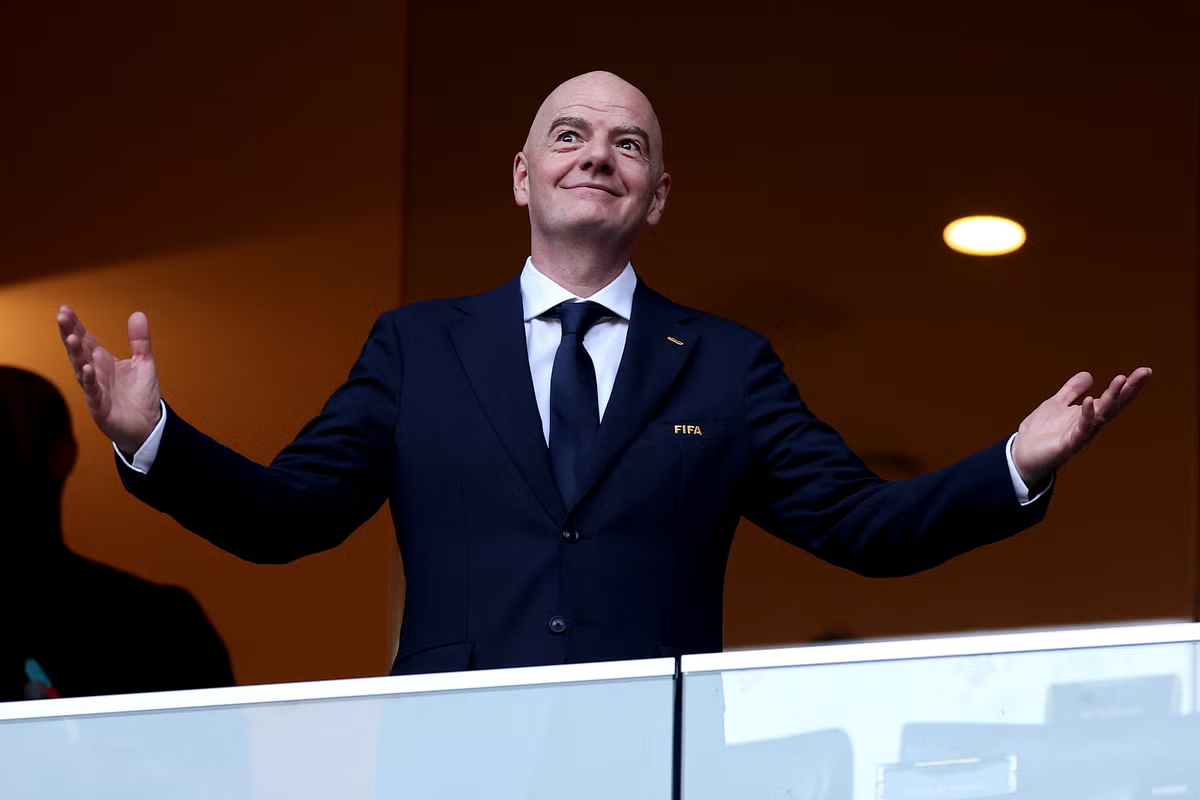
Infantino’s strategic pivot threatens to strip the co-hosts of the tournament’s marquee event.
However, the political landscape of international football has shifted dramatically, triggering alarm across Spanish football circles. Morocco, a rapidly rising power in global football, has aggressively lobbied to secure the final, challenging the traditional hierarchy that previously favored European hosts. The intervention of FIFA President Gianni Infantino, who has consistently championed the expansion of the game in the Middle East and Africa, suggests a strategic desire to place the 2030 final in Rabat or Casablanca, effectively overriding the initial expectations of the European co-hosts.
This dispute highlights a broader realignment in FIFA’s global strategy, where commercial reach and geopolitical influence now rival historical sporting merit. For Spain, the potential loss of the final represents more than a scheduling inconvenience; it is a symbolic blow to their standing as a footballing superpower. As negotiations intensify, the outcome will serve as a critical test of whether the 2030 World Cup will remain a European showcase or become the definitive launchpad for Morocco’s emergence as a premier global football destination.
Source: The Independent Sport