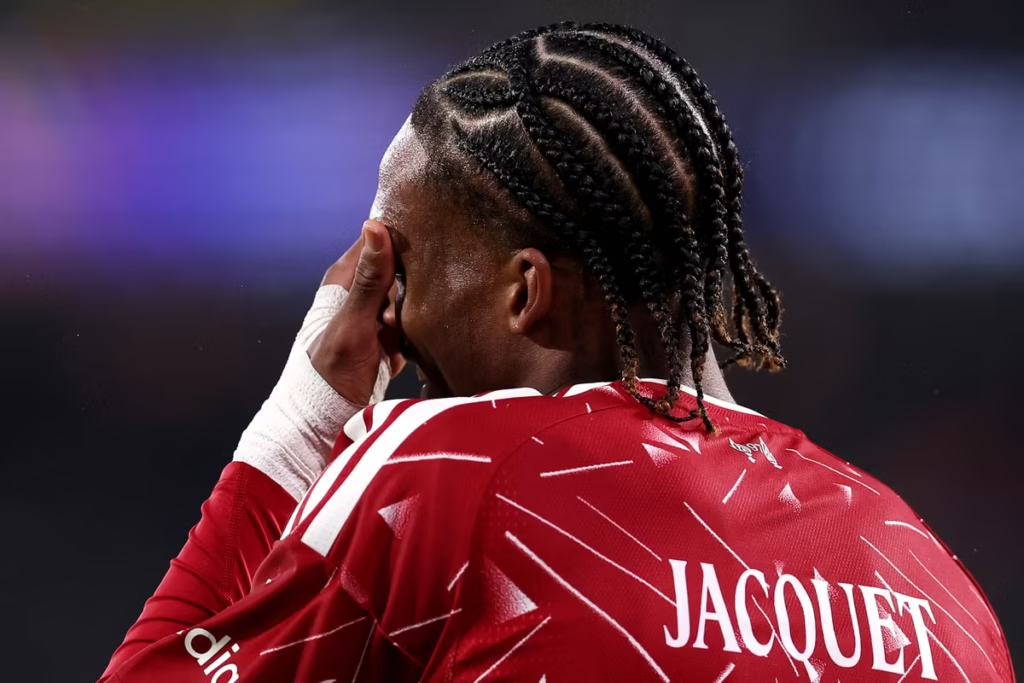

Andoni Iraola’s tactical gamble in Istanbul exposed the fragility of Liverpool’s current squad structure, resulting in a 3-2 defeat to Fenerbahce that marked their first points drop in the Champions League this season. Despite starting with a perfect three wins from three, the visitors struggled against a hostile atmosphere and a disciplined opponent. The match highlighted a critical lack of cohesion, as Liverpool twice surrendered their lead in the final minutes, conceding late goals that ultimately sealed a consecutive defeat in all competitions. This result stands as the team’s worst performance since Iraola assumed managerial duties, signaling that early form may not be enough to sustain a title challenge without structural stability.
Disorganization and late goals cost Reds their first points drop of the season in Istanbul.
The introduction of Alexander Isak, Florian Wirtz, and Cody Gakpo provided immediate offensive impact, with Isak heading home Gakpo’s cross to briefly restore Liverpool’s lead. However, these substitutions failed to address the deeper defensive disorganization that plagued the side throughout the second half. While the new arrivals brought energy and creativity, they could not compensate for the team’s inability to maintain shape under pressure. The failure to hold onto leads in a high-stakes European fixture underscores the difficulty of managing a squad in transition, particularly when facing a motivated opponent like Dirk Kuyt’s Fenerbahce in a charged Istanbul environment.
Despite the setback, Liverpool’s position in the Champions League league phase remains relatively secure due to their strong start, meaning the immediate jeopardy is minimal. However, the 3-2 loss serves as a stark warning that consistency is required to navigate the demanding schedule ahead. The result cannot be dismissed as a mere blip, as it revealed persistent issues with defensive organization and late-game focus. As the season progresses, Iraola must prioritize structural integrity over individual brilliance to prevent similar collapses, ensuring that the team’s high-quality attacking talent is supported by a resilient defensive framework.
Source: The Independent Sport