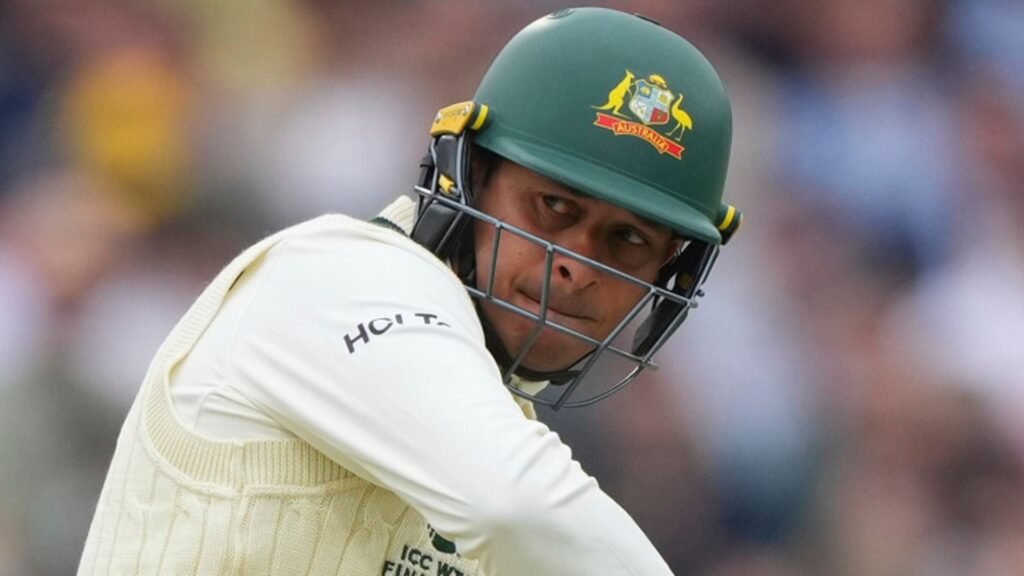

Usman Khawaja has firmly rejected accusations that he is deflecting blame in his new autobiography, stating he has not “thrown anyone under the bus” regarding the 2018 South Africa ball-tampering scandal. The former Australia captain clarified that excerpts from his book, which suggest the entire squad was aware of the “Sandpapergate” scheme, reflect a collective responsibility rather than an attempt to shield specific individuals. Khawaja emphasized that his account aims to provide an honest retrospective on a defining moment in Australian cricket history, insisting that transparency is more important than protecting reputations.
Key Match Highlights & Tactical Analysis
The controversy centers on the 2018 tour of South Africa, where Australia was found guilty of ball tampering in the second Test in Cape Town. While Steve Smith and David Warner were initially banned for the remainder of the series, Khawaja’s recent comments have reignited debate about the extent of the team’s knowledge. By asserting that the “entire Australia team” was aware, Khawaja challenges the narrative that the incident was isolated to a few players, highlighting the complex dynamics within the squad during a high-pressure period. This stance aligns with his broader narrative of accountability and leadership lessons drawn from the crisis.
This revelation adds a new layer to the ongoing discourse about sportsmanship and integrity in cricket. As Khawaja continues to promote his autobiography, his comments are likely to draw scrutiny from former teammates and cricket administrators who may have preferred a more unified front. However, his insistence on factual accuracy over diplomatic silence underscores a growing trend among retired athletes to address past controversies head-on. For fans and analysts, Khawaja’s defense serves as a crucial data point in understanding the long-term impact of the 2018 scandal on Australian cricket’s culture and governance.
Source: Sky News Sport