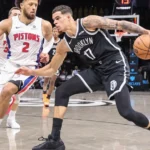

Devin Booker officially enters the “old man” category of the NBA, turning 30 on Friday in a league where the average player age is just 25.9. With only 17.5% of NBA players aged 30 or older, the Phoenix Suns’ franchise cornerstone is navigating a career phase that demands peak efficiency over raw athleticism. Booker’s tenure has been a rollercoaster of high-flying individual brilliance and collective underachievement, capped by a painful 2021 NBA Finals loss to Milwaukee after squandering a 2-0 lead. As the all-time leading scorer in Suns history and a five-time All-Star, his legacy is secure, but the pressure to deliver a championship before his prime fades is now palpable.
Key Match Highlights & Tactical Analysis
The urgency surrounding Booker’s role intensified following a dismal performance against the Oklahoma City Thunder, where he managed just three points in 34 minutes. This output highlights a growing concern: can a shooting guard sustain elite production without a dedicated, elite point guard to facilitate the offense? For years, Booker has operated in a hybrid role, often shouldering the playmaking burden that typically belongs to a primary ball-handler. This structural imbalance has limited the Suns’ offensive versatility, forcing Booker into inefficient shots and increasing his physical toll as he approaches the latter half of his prime years.
As the Suns prepare for the next phase of their rebuild, the front office must decide whether to trade for a true point guard to alleviate the load on Booker or continue relying on his individual genius. The 2021 Finals run proved they could compete at the highest level, but five consecutive playoff appearances without a title suggest the current formula is insufficient. With Booker entering his 12th season, the window for a championship is narrowing. To remain contenders, Phoenix must solve the backcourt equation, ensuring their star has the support necessary to maintain elite-level performance while the clock ticks down on his tenure.
Source: Yahoo Sports