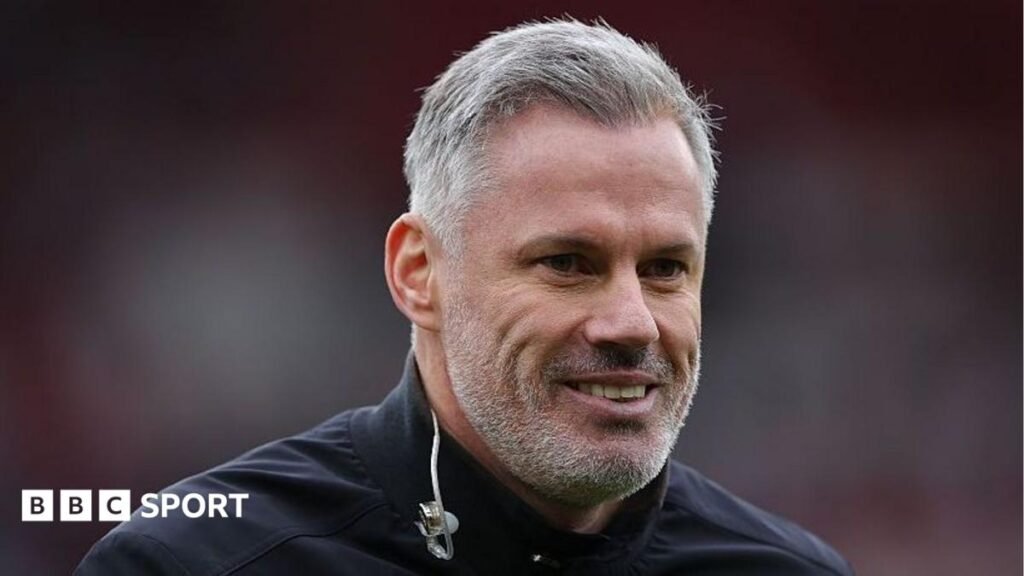

Aston Villa have formally announced plans to initiate legal proceedings against former Liverpool captain and current pundit Jamie Carragher, citing “unacceptable insults” directed at the club and its supporters. The legal threat was confirmed via a statement released on the club’s social media channels on Friday, signed by chairman Nassef Sawiris. In the statement, Sawiris accused Carragher of disparaging the Premier League side, asserting that the organization would “not allow anyone to stop our ascension in English and European football.” This marks a significant escalation in the relationship between the club and one of the UK’s most prominent football commentators, who has served as a pundit since retiring from professional play in 2013.
Key Match Highlights & Tactical Analysis
The dispute stems from Carragher’s appearance on the *Stick to Football* podcast, where he sparked widespread backlash among Villa fans by suggesting that manager Unai Emery would be keen to accept the head coach position at Manchester United. Carragher’s comments were framed against the backdrop of Manchester United’s dismal start to the campaign, which has left current interim manager Michael Carrick’s position precarious. During the discussion, Carragher explicitly stated, “Aston Villa will never be Manchester United,” a remark that the club and its fanbase interpreted as a direct insult to their stature and ambitions. The juxtaposition of Emery’s potential departure with a dismissal of Villa’s identity appears to have crossed a line for the club’s leadership.
This legal maneuvering highlights the increasing risks faced by pundits who offer candid, albeit controversial, opinions on high-profile managerial situations. While Carragher’s role has traditionally involved critical analysis of top-flight clubs, the formal threat of litigation signals a new era of accountability in football media. For Aston Villa, the move serves as a defensive strategy to protect their brand integrity during a crucial period of growth. For Carragher, the incident raises questions about the boundaries of punditry in an era where clubs are increasingly protective of their public image and fan sentiment. The outcome of these legal discussions will likely set a precedent for how football figures interact with media personalities in the future.
Source: BBC