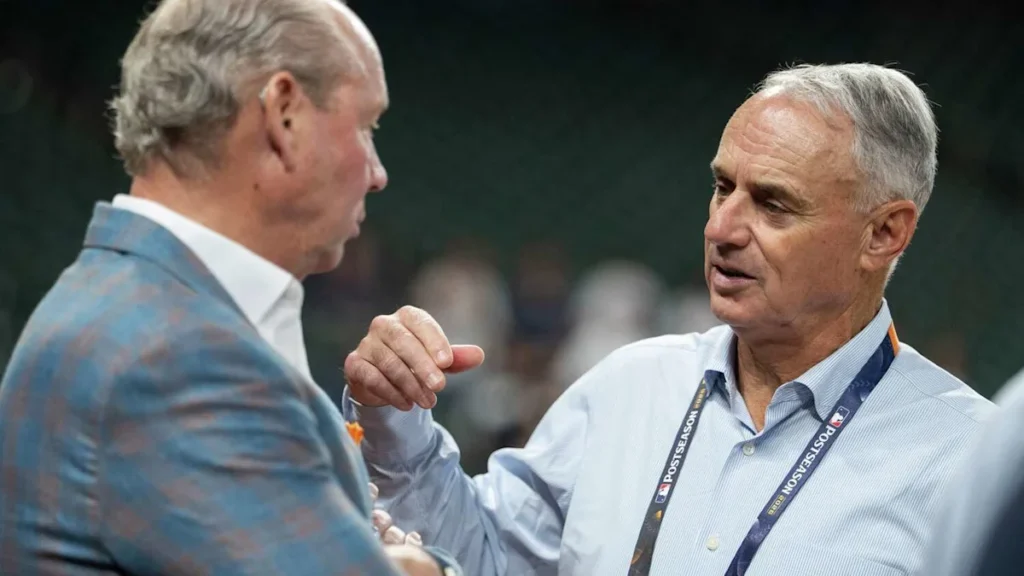

Major League Baseball faces a critical juncture as the collective bargaining agreement between the league and the Major League Baseball Players Association expires on December 1. Upon expiration, team owners are expected to institute a lockout, effectively halting all major-league business for an indefinite period. This preemptive move by the employer side aims to create pressure during bargaining, distinguishing it from a player-initiated strike where workers voluntarily withhold their labor. The timing places the sport in a precarious position just weeks before the start of the 2027 season, with no immediate resolution in sight.
Key Match Highlights & Tactical Analysis
The current labor dispute appears as contentious as any in baseball’s recent history, casting a shadow over the 2027 campaign and the league’s long-term economic structure. Unlike the 2022 lockout, which was resolved in time to salvage a full 162-game schedule, the uncertainty surrounding this negotiation cycle is significantly higher. Analysts warn that a prolonged shutdown could jeopardize the integrity of the upcoming season, forcing the league to consider compressed schedules or other drastic measures to protect revenue and fan engagement.
While teams like the Houston Astros have focused on internal stability—hiring new general managers and managers to fill out coaching staffs—the broader industry remains paralyzed by the looming work stoppage. The expiration of the CBA marks the end of the current financial framework, meaning every aspect of player compensation, revenue sharing, and roster construction is up for renegotiation. As the clock ticks down to December 1, the baseball world watches closely to see if the owners and players can bridge the gap before the sport grinds to a complete halt.
Source: Yahoo Sports