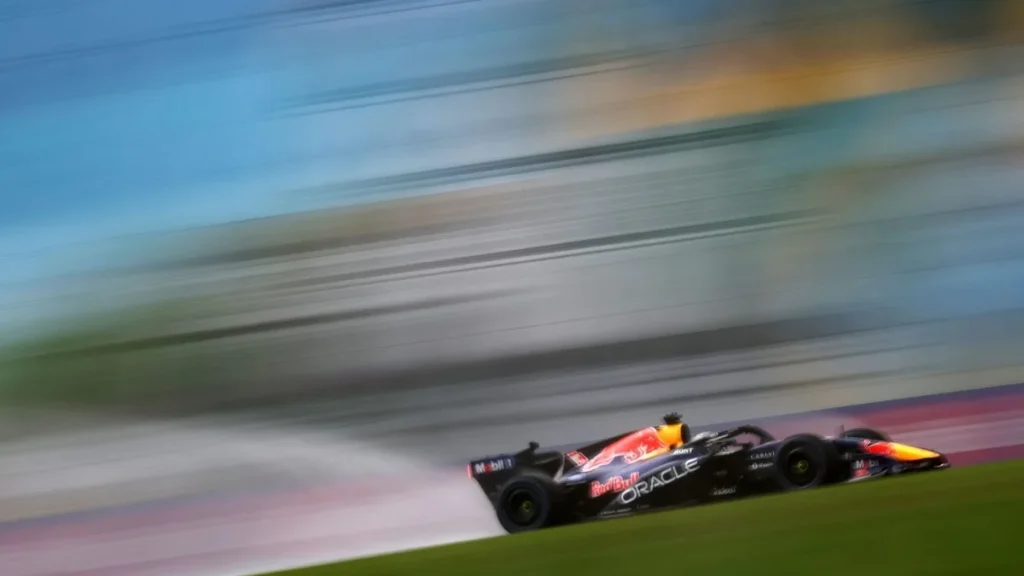

Formula 1’s long-standing anxiety over wet-weather racing reached its climax at the Brazilian Grand Prix, where Interlagos delivered the season’s first true test of the sport’s rain protocols. Unlike the brief interruption at the Bahrain Grand Prix, where the track dried rapidly, the Brazilian session saw an 80-minute red flag after a torrential downpour coincided with the start of qualifying. This extended delay forced teams and stewards to engage in rigorous risk assessments, moving beyond the “hysterical commentary” that had plagued the paddock since the season’s inception. The event served as a critical stress test for the FIA’s safety frameworks, proving that the sport can manage prolonged, heavy rainfall without compromising competitive integrity or driver safety.
Key Match Highlights & Tactical Analysis
The narrative was amplified by George Russell’s candid remarks following the session, where he warned that racing in such conditions carried a “very, very high” risk of a “horrific incident.” While media outlets seized on the quote to fuel sensationalist stories, the broader context within the paddock revealed a consensus that the decision to red-flag was prudent and necessary. Russell’s comments, though dramatic, aligned with the technical reality of Interlagos’ layout, which offers limited runoff areas and poor visibility in heavy rain. This incident highlighted the delicate balance between entertainment and safety, demonstrating that F1 stakeholders are no longer reacting with panic but rather executing calculated, data-driven decisions when conditions become untenable.
The Brazilian Grand Prix ultimately revealed that F1’s infrastructure and decision-making processes are robust enough to handle extreme weather scenarios. The successful management of the 80-minute delay, combined with the clear communication from team principals and stewards, dispelled pre-season doubts about the sport’s ability to cope with rain. As the championship progresses, this event stands as a benchmark for wet-weather operations, signaling to fans and stakeholders that F1 has matured in its approach to safety. The takeaway is clear: while rain remains a variable that can disrupt race weekends, the sport’s protocols are now sufficiently refined to ensure that safety remains the paramount priority, even when the track conditions are at their most challenging.
Source: Yahoo Sports