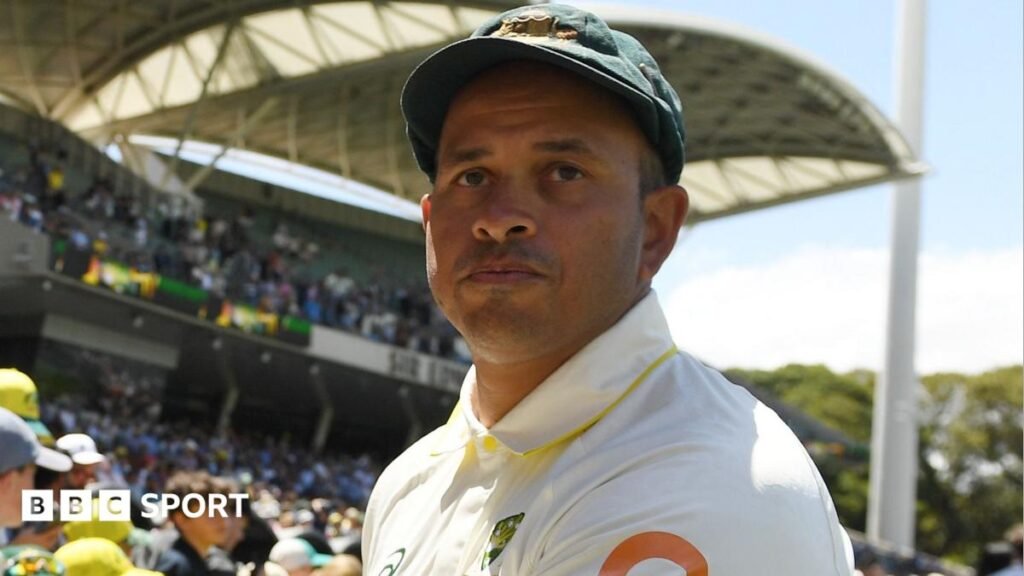

Usman Khawaja has ignited fresh controversy surrounding the 2018 “sandpapergate” scandal by asserting that the entire Australian squad was aware of the ball-tampering incident. In extracts from his new autobiography, *Sabr*, published in the *Sydney Morning Herald*, the 39-year-old former opening batter stated, “It was all of us. Not the batters, not the bowlers, not the staff. All of us.” This sweeping admission directly challenges the long-held narrative that the misconduct was an isolated act by a few individuals, suggesting instead a systemic failure of accountability within the team hierarchy during the final Test against South Africa in Cape Town.
Key Match Highlights & Tactical Analysis
The revelations expand the scope of the alleged misconduct beyond the infamous Cape Town match, with Khawaja claiming Australia employed similar tactics in the preceding Test of the 2018 series. The original incident led to severe disciplinary action, including bans for then-captain Steve Smith, vice-captain David Warner, and batter Cameron Bancroft, who were found guilty of deliberately damaging the ball. While the incident remains one of the most significant integrity breaches in modern cricket history, Khawaja’s comments shift the focus from individual culpability to a broader cultural issue within the Australian dressing room at the time.
However, Khawaja’s claims have been met with immediate pushback from the four Australian bowlers who played in the Cape Town match, including current Test captain Pat Cummins. These players have consistently maintained they had no prior knowledge of the plan, a stance that now stands in stark contrast to the former opener’s testimony. As the debate intensifies, Khawaja’s autobiography offers a critical retrospective on the events that derailed Australia’s reputation, forcing a re-evaluation of who truly bore responsibility for one of cricket’s most damaging scandals.
Source: BBC