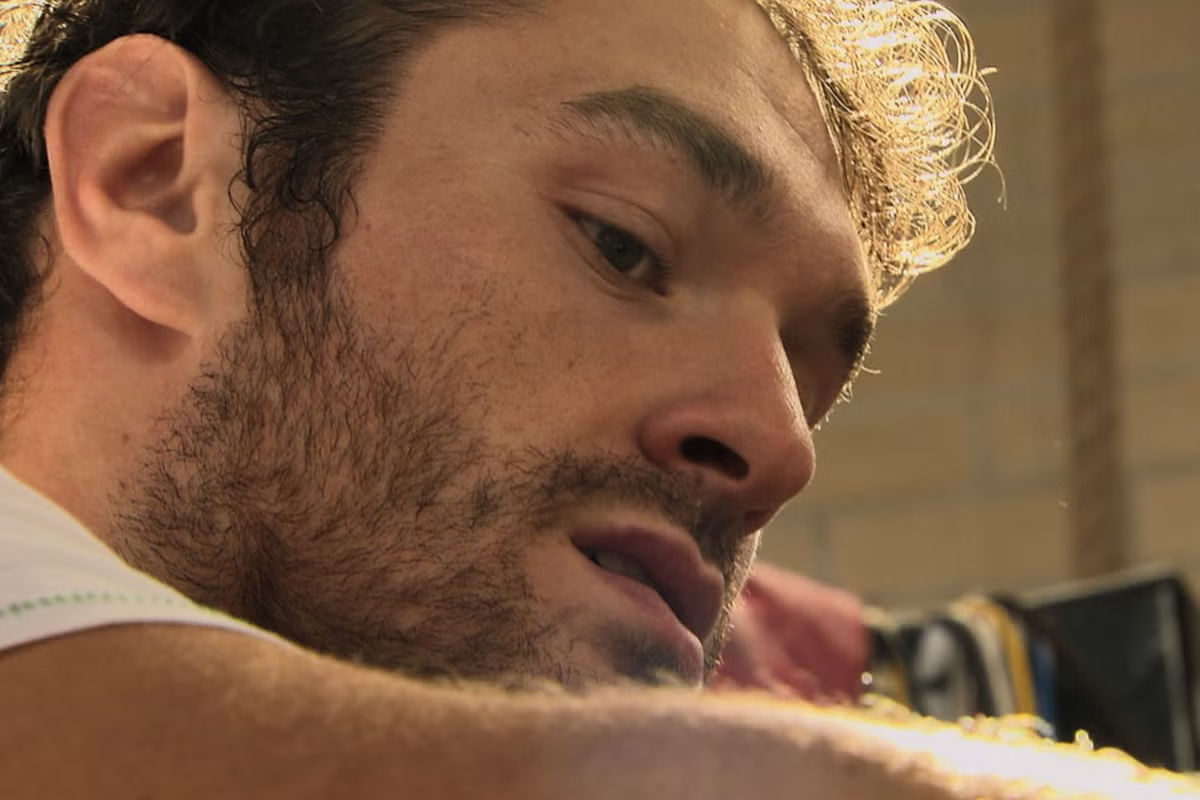

Director Lucy Wilcox has detailed the grueling production process behind Tyson Fury’s new Netflix documentary, *Schizo*, which offers an unfiltered look at the former two-time world heavyweight champion’s battle with schizophrenia. The 90-minute film is built on nine intense, three-hour sitting sessions where Fury, known for his commanding presence in the ring, maintained unwavering eye contact with the camera. Wilcox described the experience as a unique form of sparring, noting that the former Gypsy King’s refusal to break gaze created a psychological intensity that defined the narrative. This direct approach allows viewers to confront the raw reality of Fury’s mental health struggles without the buffer of traditional sports commentary or third-party narration.
Key Match Highlights & Tactical Analysis
The documentary weaves together archival footage with candid interviews from key figures in Fury’s life, including his controversial father, John Fury, and his wife, Paris. While boxing fans may recognize the dynamics between the family members, Wilcox admits she entered the project with zero background in the sport, bringing an outsider’s perspective to the Fury saga. The film highlights the complex relationship between Tyson and his father, a former bare-knuckle fighter and traveling man whose influence has long been a subject of public debate. By centering the story on these intimate family revelations, the documentary moves beyond the spectacle of heavyweight boxing to explore the personal costs of fame and the stigma surrounding mental illness in elite sports.
For audiences familiar with Netflix’s reality series *At Home With The Furys*, the documentary provides a deeper, more serious counterpoint to the lighter tone of the show. Paris Fury’s patience and support are portrayed as central pillars of Tyson’s stability, offering a glimpse into the private side of a public figure who has faced significant controversy throughout his career. *Schizo* serves as both a biographical account and a mental health advocacy piece, using Fury’s platform to destigmatize schizophrenia while preserving the legacy of one of boxing’s most polarizing and successful champions. The film’s release marks a significant moment for sports journalism, demonstrating how documentary filmmaking can transform athletic narratives into profound human stories.
Source: The Independent Sport