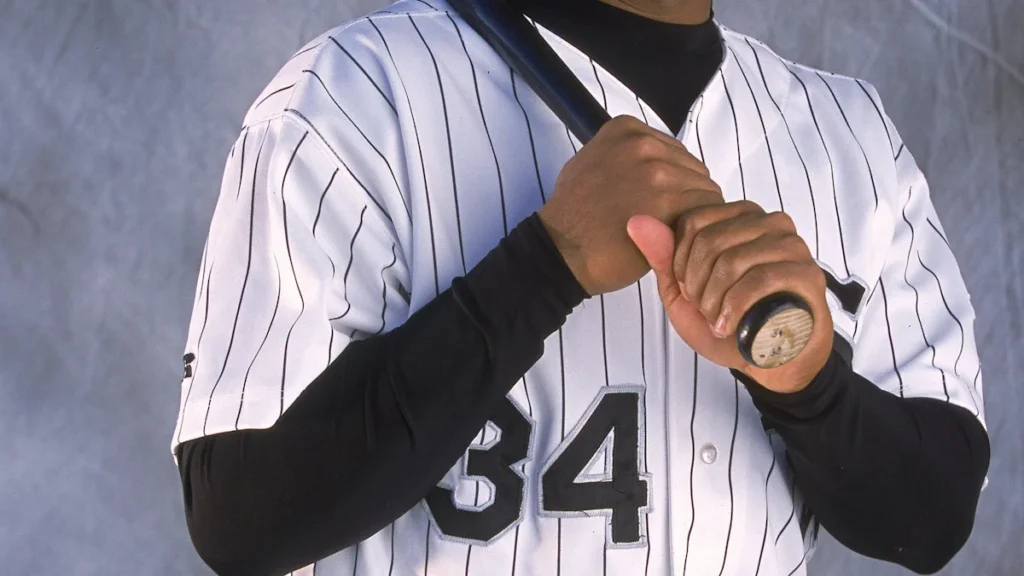

On November 27, 1938, the Chicago White Sox lost one of the American League’s most promising young talents to a preventable tragedy. Monty Stratton, a 1937 All-Star and elite pitcher, accidentally discharged his .22 caliber pistol while attempting to holster it without engaging the safety. The bullet severed a femoral artery, cutting off circulation to his leg. Unable to secure immediate medical aid, Stratton crawled half a mile to a road in Greenville, Texas, where the injury necessitated the amputation of his limb. This catastrophic event abruptly ended his five-year major league career, though he later returned to the game in the minor leagues using a wooden prosthetic.
Key Match Highlights & Tactical Analysis
The profound impact of Stratton’s injury transcended baseball, capturing Hollywood’s attention in 1948 with the release of *The Stratton Story*. The film, which dramatized the pitcher’s life and accident, starred Jimmy Stewart and June Allyson. Notably, Jimmy Dykes, who managed Stratton during his time with the White Sox, also appeared in the production. The movie served as a cultural touchstone, highlighting the fragility of athletic careers and the resilience required to overcome life-altering physical trauma, cementing Stratton’s legacy beyond his statistical record.
Decades later, on November 27, 1951, White Sox General Manager Frank Lane executed another significant move that defined the franchise’s mid-century era. Lane traded catcher Gus Niarhos, pitcher Dick Littlefield, first baseman Gordon Goldsberry, shortstop Joe DeMaestri, and outfielder Jim Rivera to the St. Louis Browns. In return, Chicago acquired pitcher Al Widmar, infielder Tom Upton, and the centerpiece of the deal: catcher Sherm Lollar. Lollar went on to become a three-time All-Star and three-time Gold Glove winner, establishing himself as the second-best catcher in the league throughout the 1950s and solidifying Lane’s reputation for shrewd personnel management.
Source: Yahoo Sports