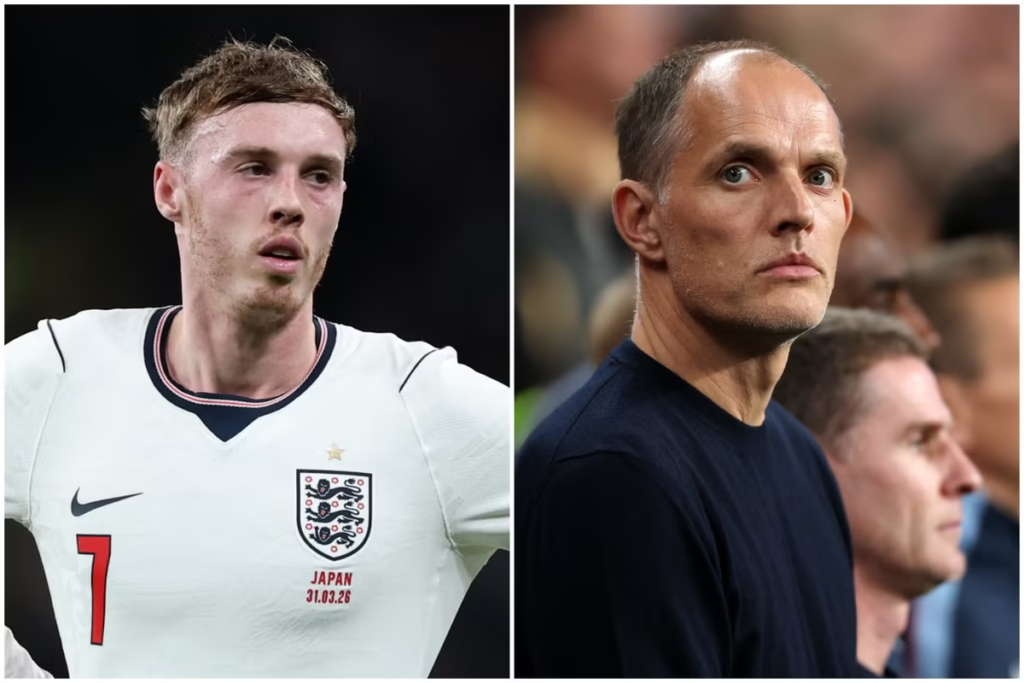

Thomas Tuchel has fundamentally restructured how the England national team is perceived, moving away from the traditional focus on individual stardom toward a cohesive unit built on deep interpersonal bonds. While fans and pundits often debate specific selections—such as Eberechi Eze’s inclusion over Cole Palmer or James Garner’s preference over Jordan Henderson—Tuchel views these decisions through the lens of preserving the “brotherhood” forged during the grueling winter qualifiers. This strategic shift suggests that maintaining established connections and team dynamics is paramount to his tactical philosophy, even if it means overlooking raw individual ability in certain instances.
Key Match Highlights & Tactical Analysis
The manager’s commitment to this collective identity was starkly evident during his recent press conference at Wembley, where he deflected numerous questions regarding individual player roles. Rather than providing granular tactical breakdowns for specific matches against Croatia and Spain, Tuchel focused on the broader social fabric of the squad. He addressed queries about players like Josh King and the positional flexibility of Djed Spence not merely as tactical puzzles, but as components of a larger social experiment. This approach highlights a deliberate effort to insulate the squad from the pressure of individual scrutiny, reinforcing the idea that the team’s strength lies in its unity rather than its individual stars.
This method of squad building represents a significant departure from previous England managerial styles, which often relied heavily on marquee names to carry the team through high-stakes tournaments. By emphasizing kinship over capability alone, Tuchel is attempting to create a resilient environment where players feel personally invested in the group’s success. The upcoming fixtures against Croatia and Spain will serve as the first major test of this philosophy, with observers watching to see if this emphasis on emotional cohesion can translate into tangible on-pitch results under the intense pressure of international competition.
Source: The Independent Sport