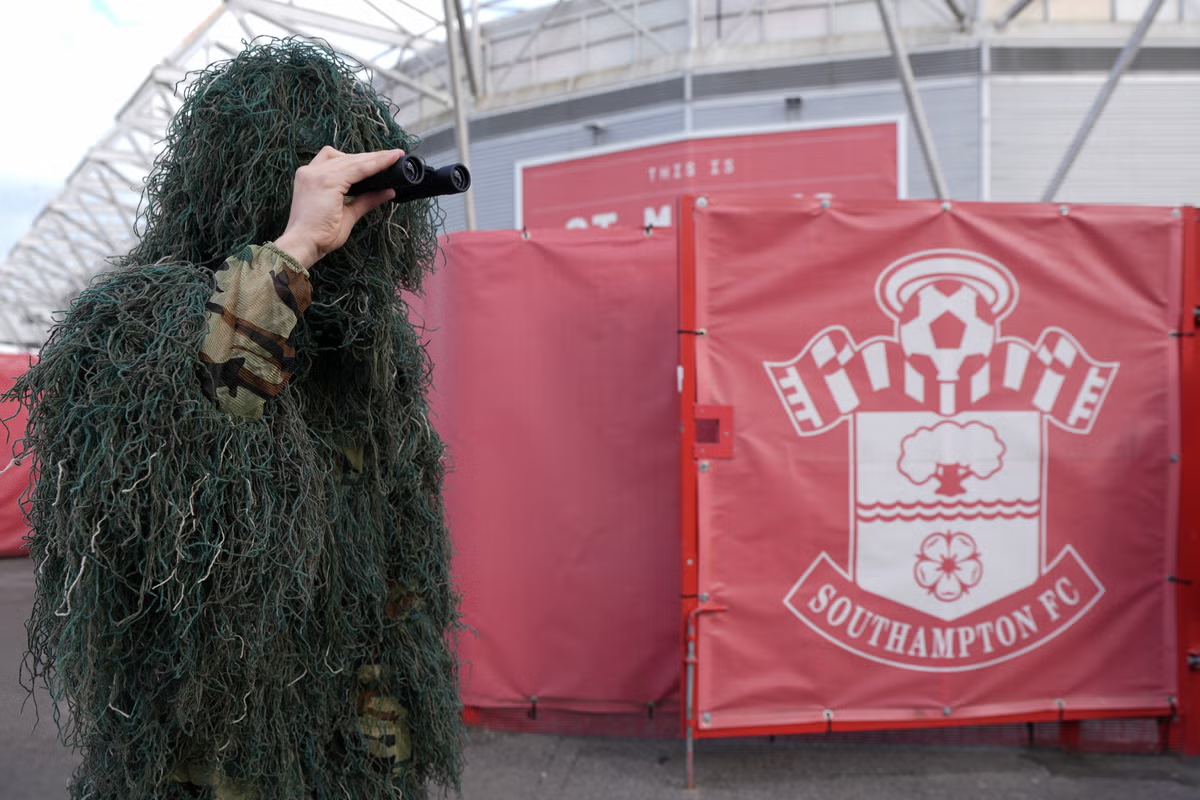

Southampton’s expulsion from the Championship play-off final four days before the decisive match triggered a crisis that exposed a systemic culture of cheating at the club. The initial trigger was an intern caught filming Middlesbrough’s training ground, but the subsequent investigation revealed a far more sinister pattern of industrial espionage. The club admitted to spying on both Ipswich and Oxford United, proving that the misconduct was not an isolated incident but a coordinated effort driven by the highest levels of management.
Key Match Highlights & Tactical Analysis
Tonda Eckert, the former Southampton manager, was identified as the primary architect of the scheme rather than a passive bystander. Findings from the League Arbitration Panel laid bare his direct influence in orchestrating the surveillance operations against rivals. This level of top-down involvement distinguishes the Southampton case from typical minor infractions, highlighting a deliberate strategy to gain an unfair competitive advantage during a high-stakes promotion campaign.
The recent “Spygate reunion” involving similar tactics by other clubs serves as a stark reminder that Southampton and Eckert received a lenient punishment relative to the severity of their actions. While the scandal rocked English football to its core, the sanctions imposed did not fully reflect the magnitude of the breach of trust. The incident underscores the urgent need for stricter regulatory frameworks to prevent future instances of such organized cheating within the professional game.
Source: The Independent Sport