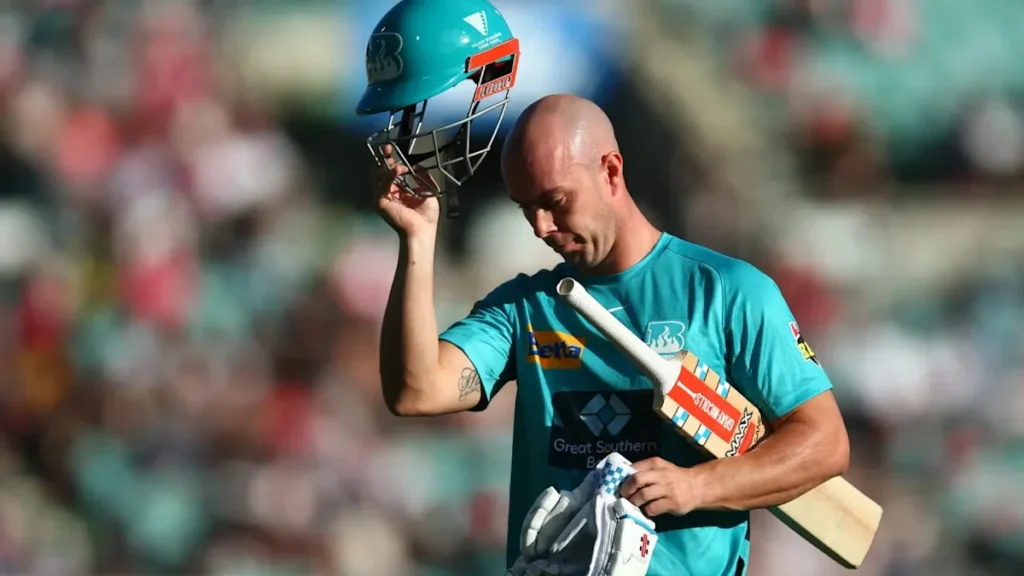

England’s Cricket Regulator has confirmed that Australian batsman Chris Lynn served a one-month ban in August for a positive cocaine test, a revelation that has shaken the cricketing world. The sample was collected during the T20 Blast Finals Day, the same event where Northamptonshire claimed the trophy, yet the sanction remained strictly confidential for weeks. This delayed disclosure highlights the complex interplay between player privacy, regulatory protocols, and the high-pressure environment of franchise cricket.
How a positive test on T20 Blast Finals Day was quietly resolved before his Melbourne move.
The 36-year-old veteran, a fixture in global franchise cricket for over a decade, had his initial ban reduced to one month following the completion of a mandatory rehabilitation programme. Despite the severity of the substance involved, the quick resolution allowed Lynn to continue his career trajectory without a prolonged public hiatus. His rehabilitation appears to have been successful, as he is now set to join the Melbourne Renegades, signaling a clean slate and a return to competitive action in the Big Bash League.
This incident underscores the critical importance of transparent anti-doping frameworks in international sports. While the secrecy surrounding Lynn’s case may have protected his immediate career prospects, it raises questions about the public’s right to know regarding integrity violations in high-profile tournaments. As Lynn prepares for his new chapter in Australia, the cricketing community must balance empathy for players seeking recovery with the need for full accountability and transparency in anti-doping enforcement.
Source: Yahoo Sports