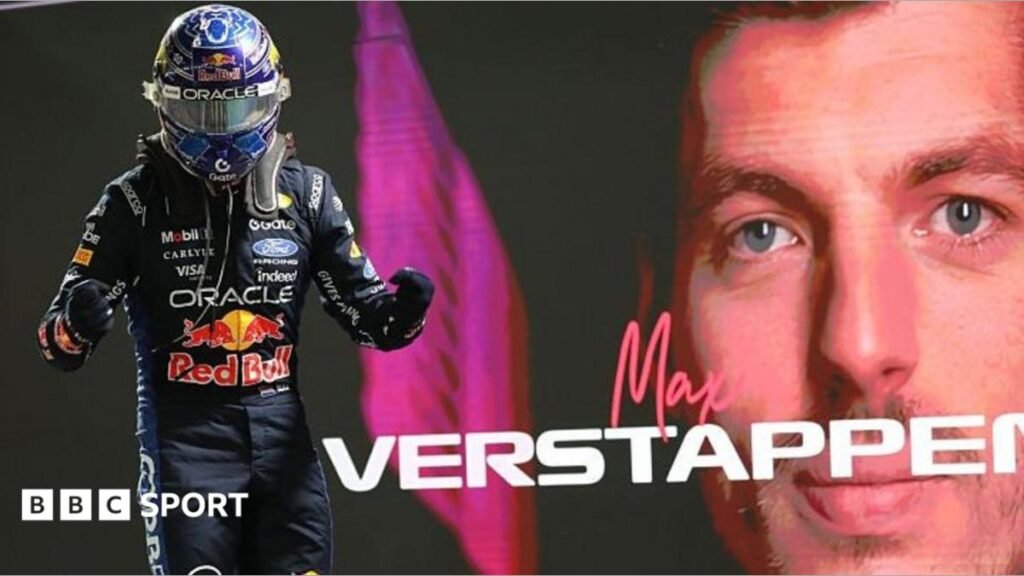

Max Verstappen cemented his status as the race’s most consistent performer by securing a thrilling victory at the Las Vegas Grand Prix, finishing ahead of McLaren’s Lando Norris and Oscar Piastri. The Dutchman navigated a chaotic 50-lap race featuring 34 lead changes, holding off intense pressure from Mercedes’ Kimi Antonelli and George Russell, as well as his Red Bull teammate Isack Hadjar. Despite the on-track mayhem, Verstappen maintained composure, later dismissing rival George Russell’s performance as being “so far below my level,” a statement that underscores the current performance gap in the drivers’ standings where Antonelli leads Verstappen.
Key Match Highlights & Tactical Analysis
Ferrari’s campaign was marred by another significant intra-team incident, with Charles Leclerc receiving a 10-second time penalty for colliding with Lewis Hamilton. This on-track altercation has intensified scrutiny on the sustainability of the Hamilton-Leclerc partnership, raising critical questions about their ability to coexist without compromising team results. As the season progresses, the recurring friction between the two drivers threatens to overshadow their individual talent, forcing Ferrari to reconsider their strategic approach to managing one of the sport’s most high-profile driver pairings.
BBC F1 correspondent Andrew Benson addresses these pressing issues in a comprehensive Q&A, analyzing the broader implications of the Las Vegas result for the championship battle. The discussion highlights how Verstappen’s resilience amid chaos contrasts sharply with the internal struggles at Ferrari, while also examining the rising threat posed by the Mercedes duo. For fans and analysts alike, the key takeaway is clear: while Verstappen remains a constant force, the stability of the grid’s top teams is increasingly defined by how well they manage internal dynamics and external competitive pressures.
Source: BBC Sport