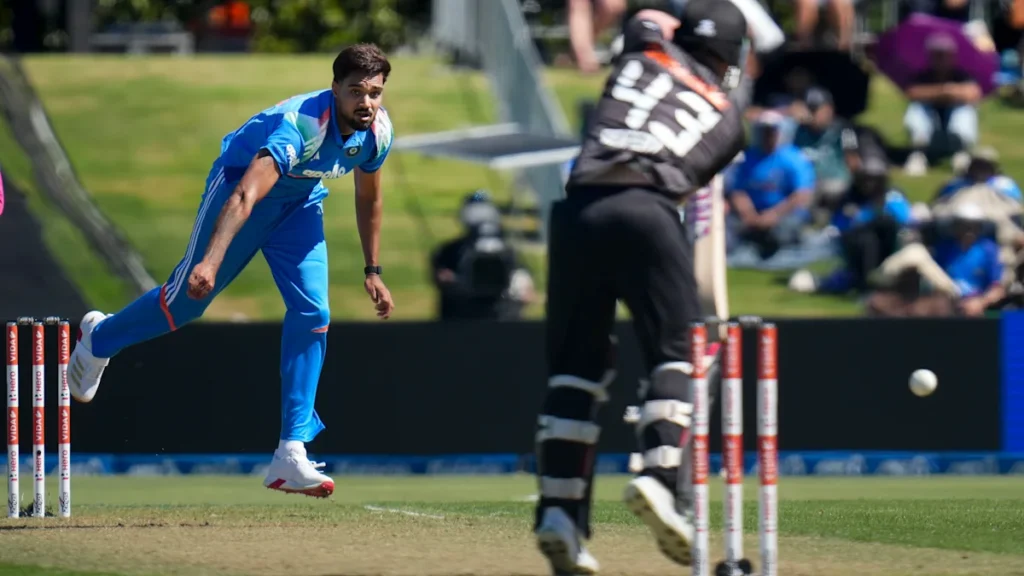

India captain Shubman Gill elected to bowl after winning the toss for the second consecutive match in the series, setting the stage for a tactical battle at Hagley Oval in Christchurch. The decision aligns with the pitch conditions, which feature a green surface with slight grass coverage but are expected to be moist and slow on Day 1, potentially neutralizing the early swing threat. Gill emphasized that his pace attack is “all fresh and ready to go” following the heavy workload endured in the drawn first test, signaling a strategic reset for the Indian bowling unit.
Gill calls squad “fresh” as uncapped Brar replaces Krishna at Hagley Oval
The only alteration to India’s lineup from the first test is the inclusion of uncapped fast bowler Gurnoor Brar, who replaces Prasidh Krishna. This move injects fresh legs into the attack while providing Brar with a high-pressure debut on the international stage. Meanwhile, New Zealand has named an unchanged XI, placing significant trust in captain Tom Latham to bounce back from a dismal first test where he was dismissed by Jasprit Bumrah in the opening over of both innings. Latham acknowledged the tactical nuance of Hagley, noting that while he preferred to bowl initially, the venue typically accelerates on Days 2 and 3, making the early defensive phase crucial.
This second test serves as a pivotal moment for both sides, with India looking to capitalize on their bowling depth and New Zealand aiming to stabilize their top order. The presence of Brar adds an element of unpredictability to India’s pace battery, while Latham’s performance will be the primary indicator of New Zealand’s resilience. As the teams take the field, the focus shifts to how the pitch evolves from a slow, moist surface to a quicker track, a transition that will dictate the flow of the match and the effectiveness of both bowling attacks.
Source: Yahoo Sports