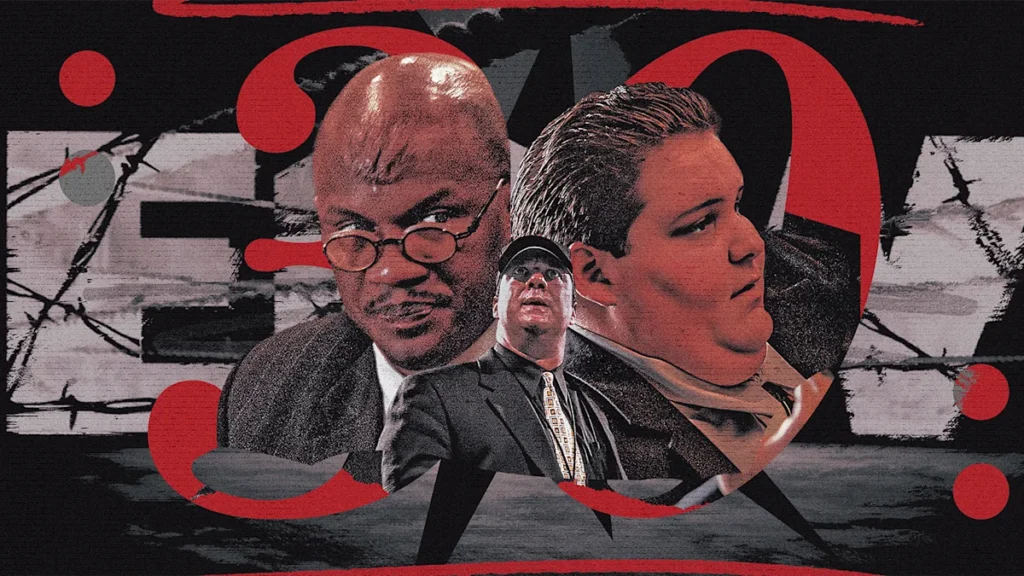

On the blustery evening of November 23, 1996, the atmosphere at the aging Wonderland Ballroom in Revere, Massachusetts, captured the raw, unpolished essence of Extreme Championship Wrestling. Unlike the sanitized, corporate spectacles of modern professional wrestling, ECW offered a level of fan access that was virtually nonexistent in the mid-1990s. The night concluded not with a grand exit, but with a chaotic, intimate mingling in the foyer where wrestlers like New Jack—born Jerome Young—casually consumed beverages from brown paper bags while signing autographs for eager fans. This direct interaction, devoid of security barriers or PR managers, highlighted the promotion’s unique identity as a grassroots movement that prioritized community connection over corporate polish.
Key Match Highlights & Tactical Analysis
The event serves as a critical historical marker for the 1990s wrestling landscape, illustrating how ECW’s “extreme” branding extended beyond the ring into the very fabric of its fan culture. As I approached New Jack to introduce myself as a reporter for the UMass-Boston student newspaper, his casual “sup, man” response underscored the lack of hierarchy between talent and audience. This moment, frozen in time before the smartphone era, represents a lost era where the line between performer and fan was deliberately blurred. The presence of promoter Paul Heyman, materializing amidst the crowd, further cemented the show’s ethos of unpredictability and personal engagement, setting a standard for authenticity that modern promotions have yet to replicate.
Thirty years later, the “Mass Transit” fiasco remains a pivotal anecdote in wrestling history, symbolizing the peak of ECW’s influence and the subsequent cultural shift in the industry. The event’s legacy is not defined by a specific match result, but by the enduring memory of an era where wrestling was a communal, gritty experience rather than a polished product. As the industry continues to evolve, the 1996 Revere card stands as a testament to the power of accessibility and the unique, unfiltered connection that defined the 1990s independent scene. It remains a compelling case study for how fan engagement can create lasting cultural impact, proving that the most memorable moments in sports often occur outside the spotlight.
Source: Yahoo Sports