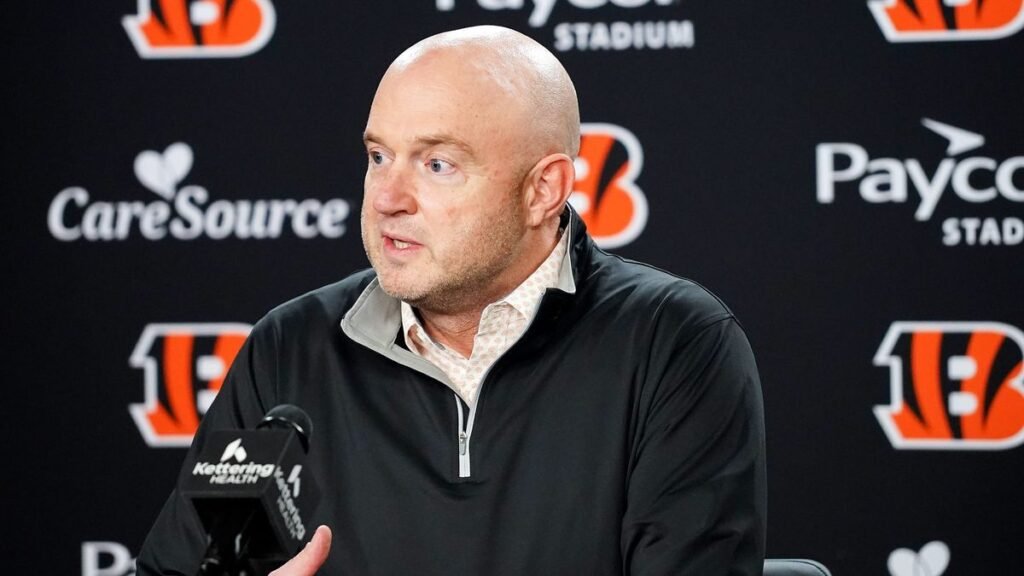

The Cincinnati Bengals narrowly avoided a significant strategic blunder during the 2026 NFL trade deadline, averted only after a last-minute discovery regarding their compensatory pick eligibility. The franchise had reportedly agreed to send a 2027 sixth-round selection to the Philadelphia Eagles in exchange for pass rusher Arnold Ebiketie. However, the deal collapsed when staff members realized that executing the trade would disqualify Cincinnati from receiving a third-round compensatory pick tied to the departure of defensive end Trey Hendrickson to the Baltimore Ravens. In a rare case of digital vigilance, the organization learned of this conflict through social media alerts before finalizing the paperwork, preventing a scenario where they would have surrendered two draft assets for a rotational outside linebacker.
A social media alert saved Cincinnati from a costly trade error involving Arnold Ebiketie.
Contract expert Nick Korte of Over The Cap highlighted the absurdity of the near-miss, noting that the Bengals clearly valued Ebiketie’s potential enough to consider the trade despite the hidden cost. Korte emphasized that the financial and strategic implications were severe, as the team would have effectively traded away a high-value third-round pick and a sixth-round pick for a depth piece. This incident underscores the increasing complexity of NFL roster management, where minor transaction details can have outsized impacts on future roster construction. The fact that the error was caught via public reporting rather than internal compliance checks raises questions about the depth of the Bengals’ front-office due diligence during high-pressure deadline windows.
This is not the first time Korte’s meticulous reporting has directly benefited the Bengals’ draft capital. In 2024, Korte identified that Cincinnati had been shorted a compensatory pick following the free agency departure of star safety Jessie Bates. The NFL subsequently acknowledged the error, adjusting the compensation to award the Bengals a third-round pick. The recurrence of such close calls suggests a persistent vulnerability in the team’s contract and draft compliance processes. For an organization aiming to maintain a competitive edge in the AFC, ensuring that every transaction is vetted against all potential regulatory and compensatory consequences is no longer optional; it is a critical operational necessity.
Source: Deadspin