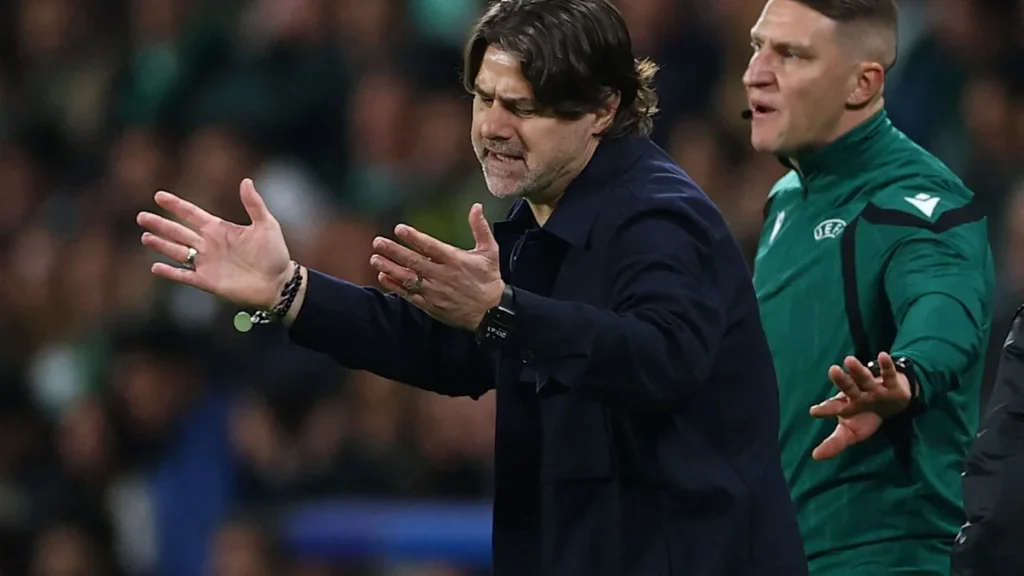

Mauricio Pochettino’s tenure at Manchester United began with a chaotic 2-2 draw against Sporting CP, a match that highlighted a troubling pattern of bad luck. The Argentine manager admitted it was “difficult to understand” the various turning points, yet his side displayed encouragingly competent basic organization and intense application. Despite creating ample chances and arguably deserving a victory, United were undone by a series of unfortunate events that mirror the controversial early red card for Leny Yoro in their previous match against Liverpool.
Beyond the chaos: Why tactical discipline is the key to breaking the curse
The core challenge for Pochettino is not merely imposing a tactical identity, but managing the psychological impact of these random variables. In both his first two games, United’s game plans were derailed by decisions and moments that defied logic, from the FA’s review of the Yoro incident to the bizarre sequence of events in Lisbon. This streak of misfortune has created a fragile foundation, making it difficult for the new coach to establish consistency or build momentum in a high-pressure environment.
To solve this “bad luck” problem, Pochettino must focus on resilience and structural integrity. By ensuring the team remains tactically disciplined regardless of external shocks, he can minimize the impact of individual errors or referee decisions. The encouraging sign is that the underlying performance metrics improved, suggesting that with sustained focus on execution and mental fortitude, United can overcome the randomness of recent results and stabilize their position in both domestic and European competition.
Source: Yahoo Sports