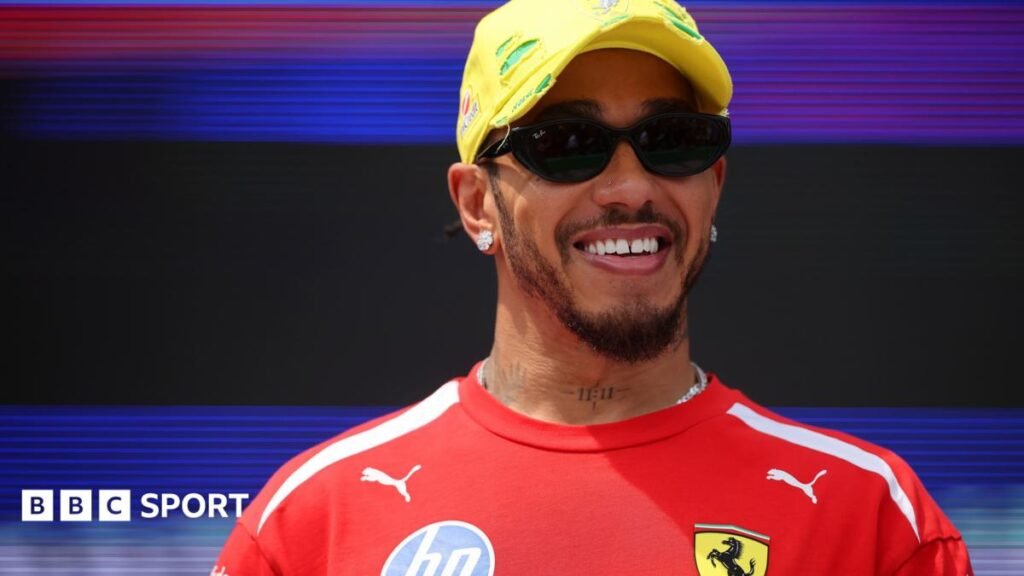

Lewis Hamilton has etched his name into Formula 1 history by completing his 400th Grand Prix, a milestone that underscores his unparalleled consistency at the highest level of motorsport. The seven-time world champion’s longevity is staggering, yet his raw speed remains a critical question for fans and pundits alike. With over 100 pole positions secured in this span, Hamilton’s ability to extract maximum performance from a car in qualifying sessions continues to defy age-related expectations, keeping him firmly in the conversation as a top-tier contender despite the shifting competitive landscape.
Key Match Highlights & Tactical Analysis
While Hamilton’s pole percentage is impressive, it is not the absolute highest in the sport, as several other drivers have achieved better ratios over shorter or more dominant eras. However, the context of his achievements is vital; maintaining such a high standard of performance across four decades of technological evolution and team changes is a feat unmatched in modern F1. His current status at Ferrari, where he is adapting to a new technical environment, highlights his resilience. The debate is no longer just about whether he can win poles, but whether he can convert that qualifying brilliance into race victories and championship points in a field that has become increasingly deep and competitive.
Looking ahead, the question of how long Hamilton can stay at the top hinges on his ability to secure a competitive chassis for the 2026 regulations. His experience and mental fortitude give him a significant edge over younger rivals, but the physical demands of modern F1 are relentless. As the sport evolves with new power unit rules and aerodynamic changes, Hamilton’s trajectory will depend on Ferrari’s development pace. For now, his 400th race serves as a testament to his enduring legacy, but the next chapter will determine if he can extend his reign or if he will eventually step aside to let the next generation take the wheel.
Source: BBC Sport