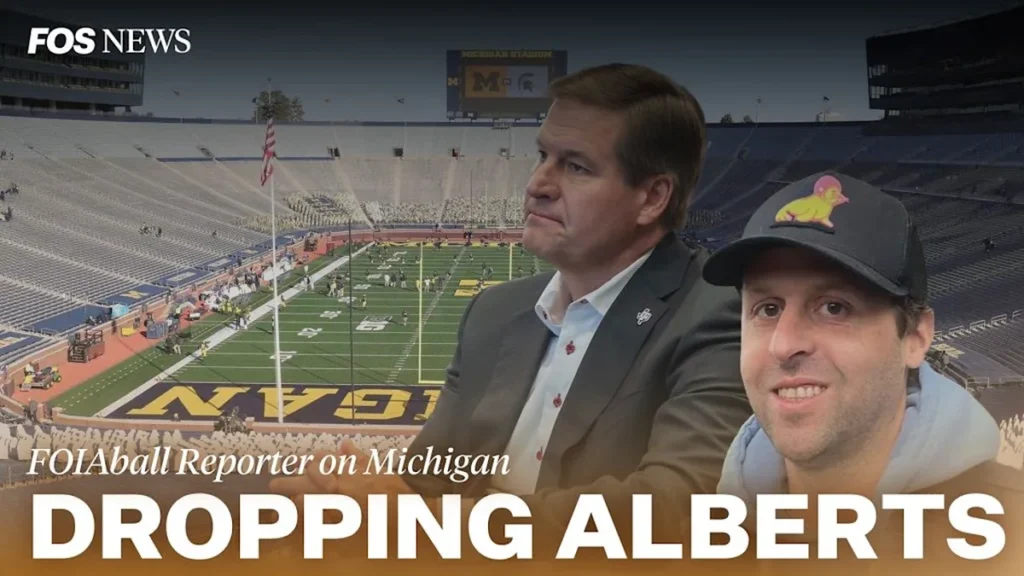

FOIAball reporter David Covucci has emerged as a central figure in unraveling the complex narrative surrounding Michigan’s abrupt decision to reverse its hiring of Trev Alberts as athletic director. In a recent discussion with Front Office Sports’ Dan Roberts, Covucci detailed how his persistent Freedom of Information Act (FOIA) requests provided the critical evidence needed to expose inconsistencies in the university’s initial announcement. This investigative approach highlights the growing power of public records transparency in holding major collegiate athletic departments accountable for their administrative decisions and financial commitments.
Public records requests unravel the Big Ten’s most controversial athletic director saga.
The financial stakes in this controversy remain significant, with Covucci addressing the lingering question of whether Michigan is still liable for the $17.2 million buyout clause associated with the Alberts contract. Despite the public reversal, the legal and contractual obligations surrounding the termination of such a high-profile appointment remain under scrutiny. Covucci’s analysis suggests that the university’s record on responding to public records requests has been inconsistent, potentially complicating efforts to fully disclose the terms of the settlement and the precise reasons behind the rapid change in direction.
Looking ahead, Covucci indicated that his investigative efforts will expand beyond the immediate Alberts situation to examine broader financial practices within the institution. He revealed plans to investigate connections between university officials and various charities, as well as potential conflicts of interest involving local businesses like Texas Roadhouse. This expansion of scope underscores a broader trend in sports journalism where data-driven, records-based reporting is becoming essential to uncovering the hidden financial mechanisms that drive modern college athletics.
Source: Yahoo Sports