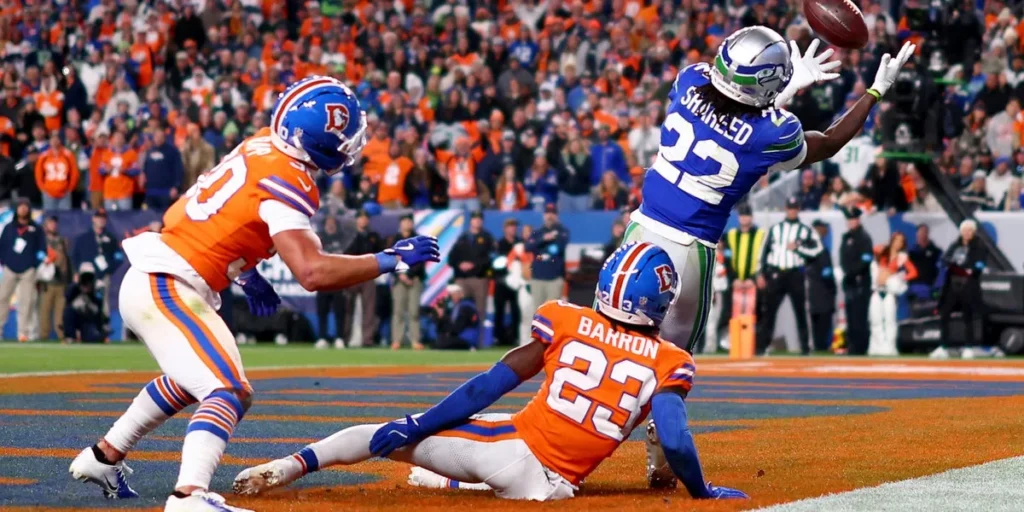

Carolina Panthers head coach Dave Canales faced a high-pressure moment last Thursday against the Green Bay Packers, opting to attempt a two-point conversion instead of kicking an extra point to close the gap. Although the Panthers missed the play and ultimately lost by eight points, the decision highlights a significant shift in NFL strategy that continues to confuse casual observers. While traditionalists often advocate for the safety of the extra point, modern coaching staffs are increasingly prioritizing the higher-risk, higher-reward option to maximize their probability of winning in critical late-game scenarios.
The math behind the two-point conversion surge that is reshaping late-game decision-making
The rationale for this tactical pivot is rooted in data since the league moved the extra-point attempt to the 15-yard line in 2015. Teams now convert extra points at a rate of 94.4%, making the play nearly automatic, while two-point conversions succeed only 48% of the time. By applying league-average conversion rates and assuming a 50-50 chance in overtime, analysts calculate that going for two offers a team approximately a 59% chance of winning the game. This figure surpasses the combined probability of winning via the extra point and losing in regulation or forcing overtime, proving that the aggressive approach is statistically superior.
This strategic evolution represents a fundamental change in how NFL teams approach the final minutes of close contests. With the extra point no longer a reliable differentiator, coaches are forced to rely on the two-point conversion to create decisive winning margins. As the Panthers’ missed attempt demonstrates, the risk is real, but the underlying mathematics suggest that avoiding the two-point try in late-game situations is the true gamble. Fans and broadcasters may find the choice bewildering, but the data confirms that this “bewildering” strategy is the most logical path to victory in the modern NFL.
Source: Yahoo Sports