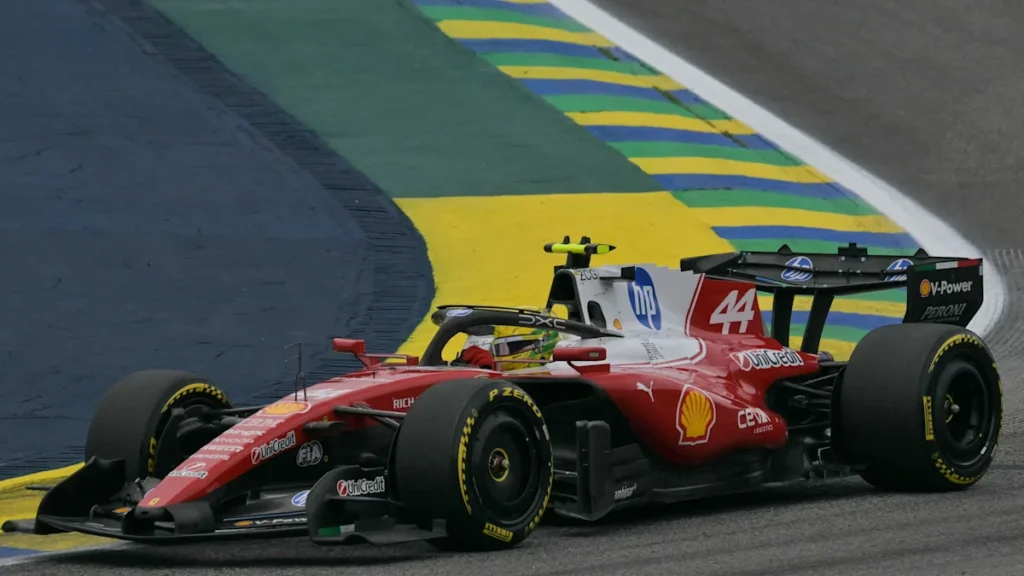

The competitive landscape for the Sao Paulo Grand Prix has shifted dramatically as Red Bull’s Max Verstappen, Ferrari’s Lewis Hamilton, and Charles Leclerc all face significant grid penalties. Verstappen will start from the very back of the grid after Red Bull engineers identified critical issues during Friday practice, necessitating the installation of a completely new power unit. Meanwhile, both Ferrari drivers will drop ten places, joining Mercedes’ George Russell, who receives a five-place penalty, in a wave of engine-related sanctions that complicates the race strategy for the sport’s elite.
Key Match Highlights & Tactical Analysis
The disparity in penalty severity stems from the specific regulations governing engine allocation. Hamilton and Leclerc are serving their first time exceeding the limit of four internal combustion engines per season, which triggers the maximum ten-place drop. In contrast, Russell had already surpassed this limit earlier in the campaign, resulting in a lesser five-place penalty for his subsequent engine change. This technical distinction highlights the strict adherence to F1’s cost cap and reliability rules, where early engine failures carry a heavier strategic burden than later-season replacements.
These grid drops fundamentally alter the tactical approach for the three drivers, who must now navigate through the midfield to recover positions. For Verstappen, starting last presents a unique opportunity to manage tire wear and fuel consumption without the pressure of defending against immediate rivals. Conversely, Hamilton and Leclerc will need to execute aggressive overtaking maneuvers in the opening laps to mitigate their ten-place deficits. The Sao Paulo circuit, known for its unpredictable weather and tight corners, offers ample opportunities for chaos, potentially allowing these penalized drivers to capitalize on mistakes from those starting further forward.
Source: Yahoo Sports