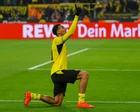

Felix Nmecha delivered the decisive performance Borussia Dortmund needed against 1. FC Heidenheim, scoring twice to secure a vital Bundesliga victory. The midfielder’s goals broke the deadlock against a resilient promoted side, alleviating pressure on a squad that had struggled with fatigue following a demanding week that included a Champions League win over Real Betis. Sporting Director Ole Book acknowledged the team’s initial struggles, noting that Dortmund was “a bit too focused on managing the game,” but Nmecha’s intervention provided the necessary spark to maintain their unbeaten start to the season.
Key Match Highlights & Tactical Analysis
The match highlights Dortmund’s current tactical challenge: a top-of-the-table position shared with Bayern Munich, yet a lack of consistent goal-scoring depth. With star striker Serhou Guirassy sidelined by injury, the burden of breaking down defenses has fallen on the midfield. Nmecha’s ability to step up in high-pressure moments underscores his growing importance to the squad, even as the team remains level on points with their rivals but trails in goal difference. His performance was not just about the result, but about proving that Dortmund possesses the creative firepower to overcome defensive blocks without their primary target man.
However, the victory was overshadowed by the familiar controversy surrounding Nmecha’s post-match celebrations. His gestures, rooted in his personal faith, once again sparked an uncomfortable debate within the club and among fans. This incident has followed the midfielder throughout his career, creating a tension between his on-field brilliance and the polarizing nature of his public expressions. For Borussia Dortmund, the challenge now extends beyond the pitch, as they navigate the complex intersection of player identity, religious expression, and club image in a high-stakes competitive environment.
Source: The Guardian Sport