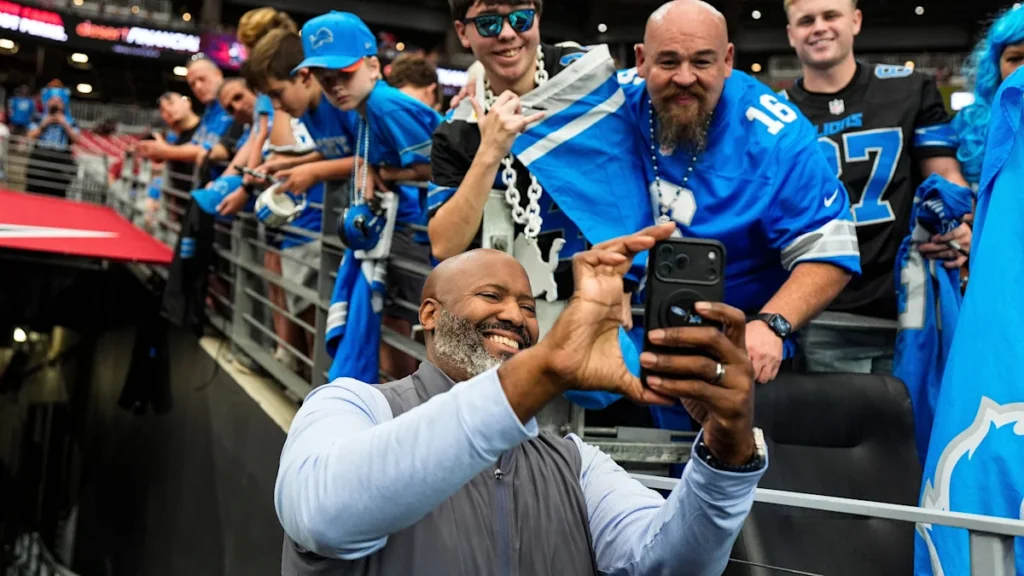

The 2026 NFL trade deadline has officially closed, leaving Detroit Lions fans and media outlets expressing deep dissatisfaction with General Manager Brad Holmes’ conservative approach. Despite the team’s well-documented deficiencies, particularly on the defensive side of the ball, Detroit opted against pursuing any major upgrades. The Lions executed only one transaction, trading a 2029 sixth-round draft pick to the New York Jets for safety Andre Cisco. This minimal move, involving a player on an expiring contract, stands in stark contrast to the aggressive roster-building efforts of other contenders who utilized the deadline to address critical gaps.
Detroit’s inactivity sparks backlash as rivals fortify rosters with splashy acquisitions.
Critics argue that the Lions’ inactivity is a significant misstep given the team’s current state. While other franchises moved quickly to fortify their rosters with impactful players, Detroit remained largely static, relying on internal development rather than external reinforcement. The lack of a “splash move” has fueled speculation that the front office is either overly cautious or lacks the necessary leverage to secure high-value targets. Media reactions have been particularly sharp, with analysts questioning whether Holmes’ strategy aligns with the team’s competitive window or if it signals a longer-term rebuild that fans are not prepared to accept.
The backlash highlights a growing tension between the fanbase and the front office, as supporters demand more decisive action to improve the team’s championship odds. The quiet deadline has intensified scrutiny on Holmes’ decision-making process, with many questioning why the Lions did not leverage their assets to address glaring weaknesses. As the season progresses, the pressure on the coaching staff and management to justify this inactivity will only mount, making the upcoming weeks crucial for Detroit to prove that their conservative stance was a calculated risk rather than a failure of execution.
Source: Yahoo Sports