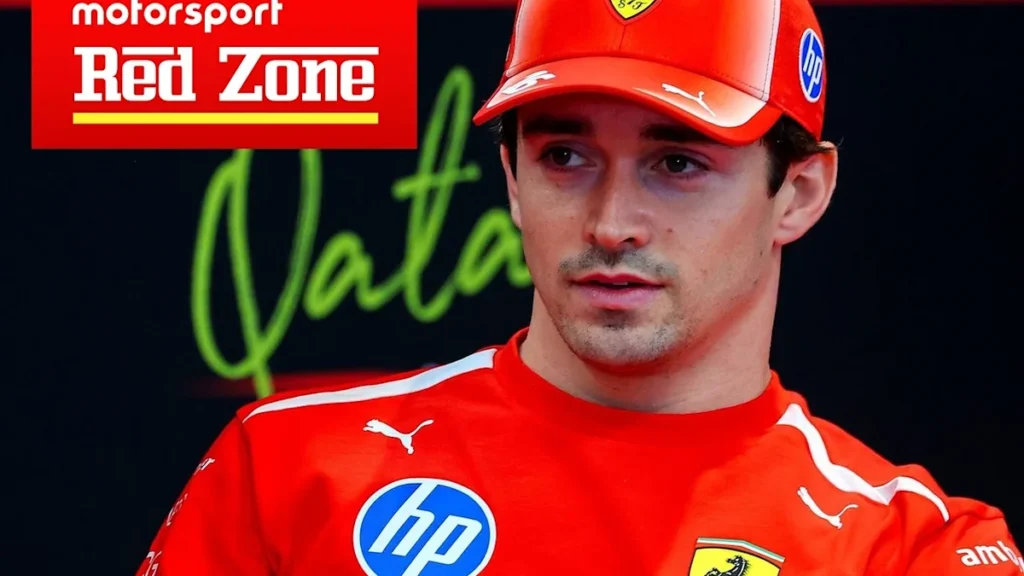

Charles Leclerc faced intense scrutiny at the Losail International Circuit press conference, where he acknowledged the gravity of his collision with teammate Lewis Hamilton during the Las Vegas Grand Prix. Five days after the incident, Leclerc accepted team principal Fred Vasseur’s post-race criticism without deflection, stating, “I knew what Fred’s position was, and as a driver I have to accept it.” While he admitted that “too many incidents have happened recently,” Leclerc firmly refused to disclose the specific internal protocols or “rules of engagement” Ferrari has implemented to prevent future clashes, keeping the team’s strategic adjustments confidential.
Key Match Highlights & Tactical Analysis
The friction between the two Ferrari drivers has defined the chaotic final stretch of the 2026 campaign, severely testing the team’s two-No. 1 philosophy. This latest incident follows a pattern of on-track conflict, including an opening-lap Turn 4 clash in Mexico City where Leclerc cut the grass while challenging polesitter Hamilton. That earlier mistake resulted in a five-second penalty for Leclerc, allowing Max Verstappen to slip through and secure a victory by a margin of just 0.799 seconds. Prior to that, tensions had already flared at Monza, prompting Vasseur to convene a private meeting in São Paulo to reset the team dynamic.
Despite the apparent truce in São Paulo, the peace lasted only one race before the Las Vegas incident reignited debate over Ferrari’s internal hierarchy. Leclerc’s refusal to detail the new measures suggests Maranello is treating the solution as a proprietary competitive advantage, aiming to stabilize the partnership without giving rivals insight into their management style. As the season progresses, the focus remains on whether Ferrari can enforce discipline without stifling the aggressive racing that defines both drivers, with the upcoming race at Losail serving as the immediate litmus test for the new era of team management.
Source: Yahoo Sports