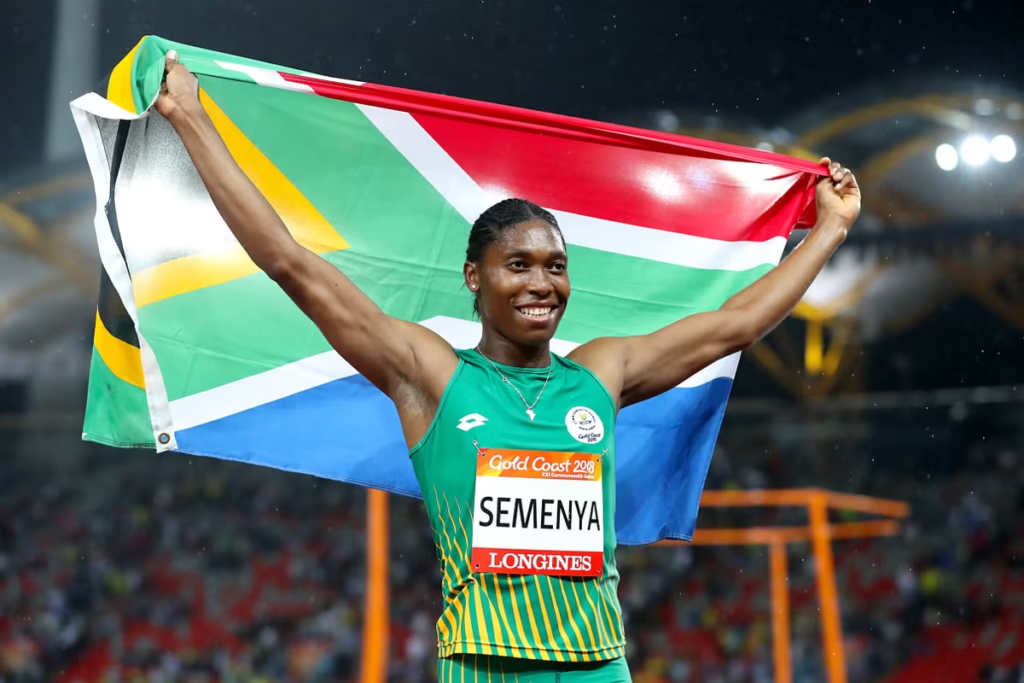

Two-time Olympic gold medalist Caster Semenya has definitively ruled out any ambassadorial or leadership position within South African athletics, delivering a scathing critique of the sport’s current leadership. In a stark declaration, Semenya stated, “I will not work with snakes,” signaling her refusal to engage with officials she views as complicit in the systemic barriers she has faced throughout her career. This decisive move closes the door on potential collaborations that could have bridged the gap between the athlete and the national federation, highlighting the deep-seated mistrust that persists despite her historic achievements.
Key Match Highlights & Tactical Analysis
Semenya’s stance stems from a decade-long legal and administrative battle with World Athletics and the Court of Arbitration for Sport (CAS) over her eligibility to compete in the elite female category. Assigned female at birth with differences of sexual development (DSD), Semenya has faced mandatory testosterone suppression rules introduced in 2018, a policy she has consistently refused to accept as discriminatory. Her refusal to comply led to the loss of her 2019 CAS appeal, a ruling that has defined her recent career trajectory and fueled her public criticism of the governing bodies that enforce these regulations.
As a three-time world 800m champion who claimed her first global title as a teenager in 2009, Semenya remains one of the most decorated sprinters in history, yet her legacy is inextricably linked to the fight for fairness in women’s sport. By rejecting a role within South African athletics, she underscores the ongoing tension between high-performance athletes and the administrative structures that govern them. Her comments serve as a powerful reminder that the debate over DSD athletes is not merely a technicality but a profound issue of human rights and dignity within the global sporting community.
Source: The Independent Sport