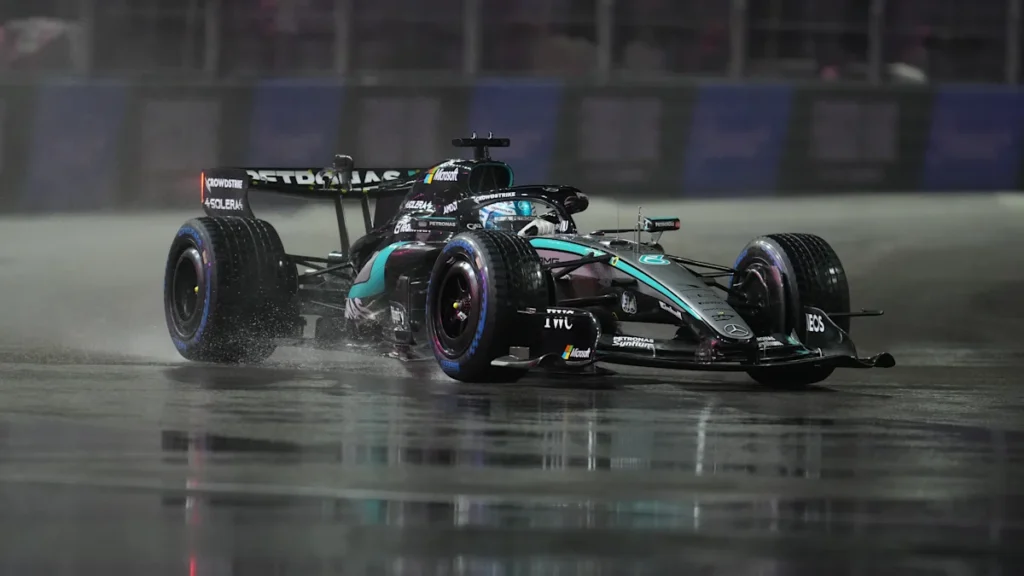

Formula 1 has officially charted a course back to V8 power for the 2030 season, marking a decisive end to the era of V6 turbo-hybrid engines that began in 2014. The International Automobile Federation (FIA) announced Friday that a unanimous agreement was reached among all 11 constructors, the FIA, Formula One Management, and power unit manufacturers. This collective decision signals a major strategic shift, aiming to reintroduce the high-revving, naturally aspirated engines that defined the sport from 2006 to 2013, bringing back the iconic roar that has been absent for over a decade.
Key Match Highlights & Tactical Analysis
FIA President Mohammed Ben Sulayem emphasized that the move is designed to reconnect the championship with its core DNA by delivering lighter, simpler, and more affordable cars. “Our vision is clear… that put driver skill at the heart of the competition,” Ben Sulayem stated, highlighting the intent to reduce technological complexity and cost barriers that have plagued recent seasons. The FIA’s World Motor Sport Council is scheduled to meet in Shanghai next month to present a definitive technical plan, solidifying the regulatory framework that will govern this return to V8 technology.
This unanimous consensus arrived as teams gathered in Las Vegas to prepare for the upcoming Grand Prix, suggesting strong industry momentum behind the proposal. The shift away from complex hybrid systems addresses long-standing concerns regarding budget sustainability and the dominance of engineering over pure driving ability. By targeting 2030, stakeholders allow ample time for manufacturers to develop new power units while ensuring the sport remains at the forefront of automotive innovation, balancing heritage with future-proofing.
Source: Yahoo Sports