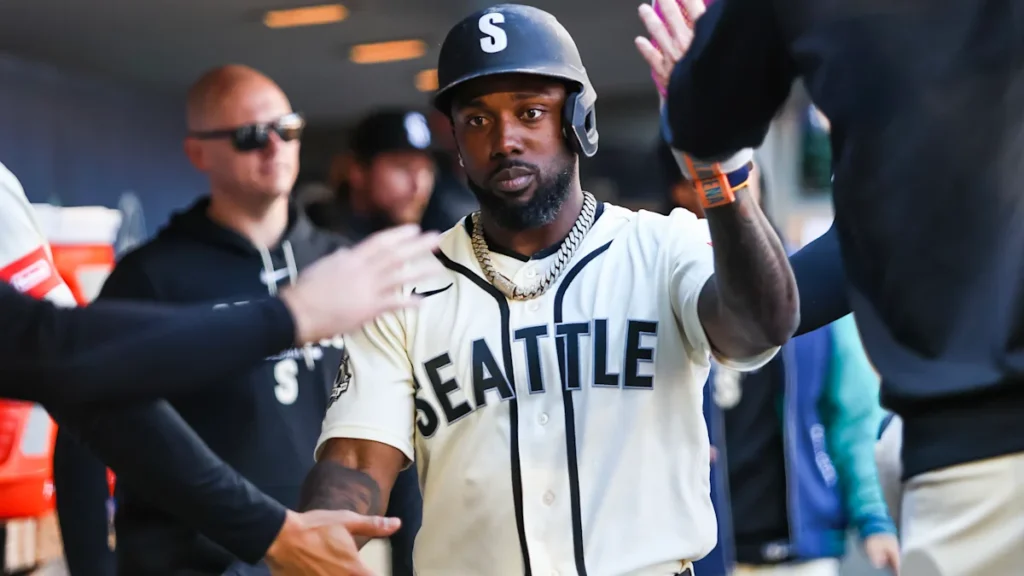

Eight Major League Baseball players received qualifying offers on Monday, triggering a pivotal moment in the upcoming free agency class. The list includes Seattle Mariners outfielder Randy Arozarena and Chicago Cubs outfielder Seiya Suzuki, both of whom face a binary choice that could significantly alter their career trajectories. Each player has until November 17 to decide whether to accept the one-year, $23.15 million contract with their former team or decline the offer to pursue a multi-year deal with a new organization. This mechanism serves as a strategic lever for clubs, forcing players to weigh immediate financial security against the potential for a larger, longer-term payout.
The $23.15M gamble: How MLB’s new free agency rule reshapes the market
The qualifying offer system functions similarly to the NFL’s franchise tag but with distinct MLB-specific constraints. Eligibility is restricted to impending free agents who spent the entire regular season with their current organization and have never previously received a qualifying offer. Players who were traded during the season are ineligible for this designation. For teams, the strategy is clear: by extending the offer, the club retains the right to a compensatory draft pick if the player declines and signs elsewhere. This creates a tangible cost for rival teams, as signing a player who declines a QO results in the loss of a draft pick, adding a layer of financial and roster-building friction to negotiations.
The value of the compensatory pick varies based on the former team’s financial status within MLB’s competitive balance framework. If the original team is a competitive balance tax payer, the pick comes after the fourth round; for revenue-sharing recipients, it lands after the first round or Competitive Balance Round B; and for all other teams, it is placed after Competitive Balance Round B. This tiered structure ensures that the penalty for poaching a QO-eligible player is calibrated to the team’s existing resources. As the November 17 deadline approaches, agents and front offices will closely monitor these eight cases, knowing that every decision ripples through the draft board and the broader free agency market.
Source: Yahoo Sports