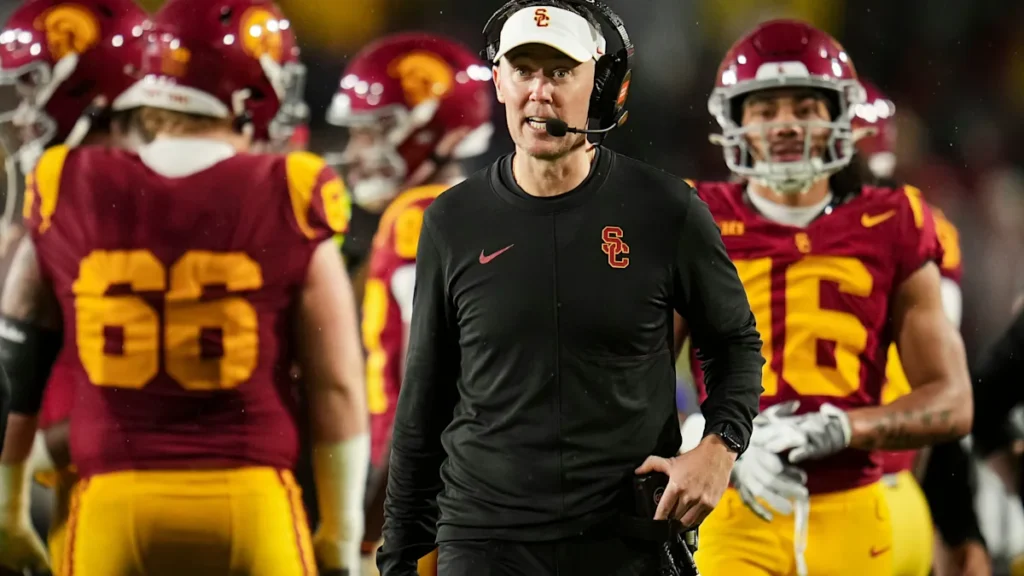

The 2023 Rose Bowl matchup between USC and UCLA remains a stark cautionary tale for Lincoln Riley and the current Trojans program. Despite fielding Heisman Trophy winner and No. 1 overall NFL draft pick Caleb Williams, USC fell 38-20 to a UCLA squad led by backup quarterback Ethan Garbers. This result underscores a critical truth in college football: elite quarterback play cannot compensate for systemic breakdowns across the other 10 positions. The sheer mismatch at the skill positions did not save the Trojans, proving that depth and execution are paramount over individual star power.
Key Match Highlights & Tactical Analysis
The decisive factor in that defeat was the defensive scheme orchestrated by D’Anton Lynn, who served as UCLA’s defensive coordinator before moving to Troy. Lynn’s unit dominated the line of scrimmage, effectively neutralizing USC’s running game and relentlessly pressuring Williams throughout the contest. The Trojans’ offensive line was swamped, forcing the future NFL star to scramble for survival inside the Coliseum. This performance highlighted a persistent vulnerability in USC’s front five that Riley must address to avoid similar upsets against well-coached opponents.
As USC prepares for the upcoming season, the lesson from the 2023 loss is clear: protecting the quarterback is only half the battle; the offensive line must be able to control the box. If the Trojans fail to shore up their interior protection and run-blocking, they risk repeating the exact scenario where a superior defensive front dictates the tempo of the game. Riley’s staff must ensure that the offensive line’s performance matches the caliber of their signal-caller, preventing the kind of comprehensive defensive dominance that turned a star-studded roster into a 38-20 victim.
Source: Yahoo Sports