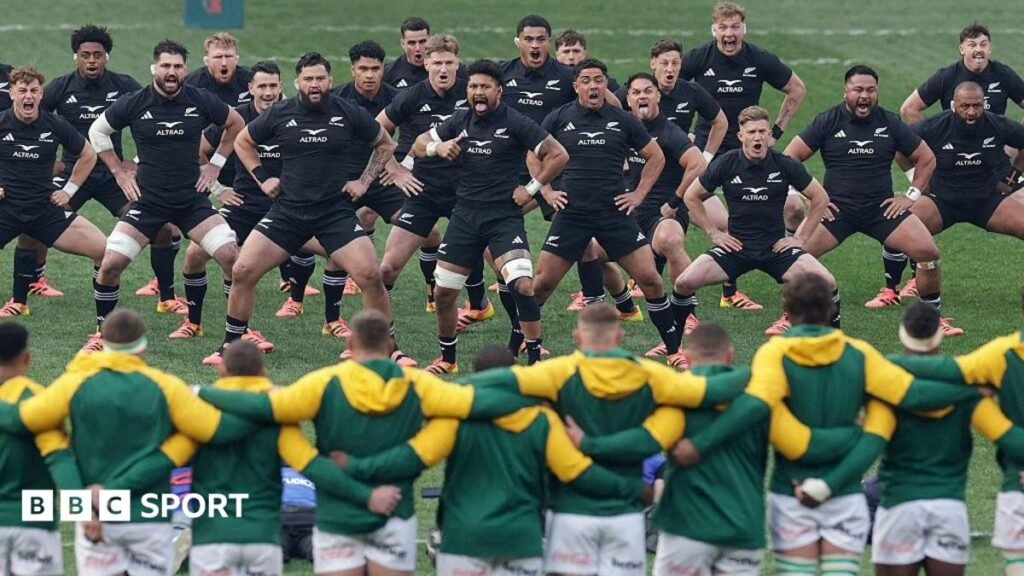

The highly anticipated Rugby’s Greatest Rivalry series between South Africa and New Zealand concluded without a single post-match drug test administered to either squad. Despite the four-Test fixture being a flagship biennial initiative designed to boost global revenue and profile, anti-doping authorities did not conduct the standard on-the-spot checks typically required at elite-level matches. This oversight occurred across all four contests, including the final Test held in Baltimore, marking a significant deviation from standard operational protocols for top-tier international rugby.
Key Match Highlights & Tactical Analysis
Although the series agreement explicitly references World Rugby anti-doping rules, the practical implementation failed to include mandatory post-match testing. Both the Springboks and All Blacks players are registered in World Rugby’s testing pool, meaning they are subject to random, unannounced testing throughout the year. However, the absence of immediate post-match checks during this high-profile event highlights a gap between regulatory frameworks and on-field execution, potentially leaving a window where immediate verification of player compliance was not performed.
This incident underscores the complex logistical and administrative challenges facing global sports governing bodies as they expand into new markets and formats. While World Rugby maintains that its broader testing pool ensures ongoing compliance, the lack of specific post-match testing during a marquee series may prompt a review of enforcement standards. Stakeholders in the sport will likely scrutinize whether future high-stakes fixtures will see stricter adherence to anti-doping protocols to protect the integrity of the game.
Source: BBC Sport