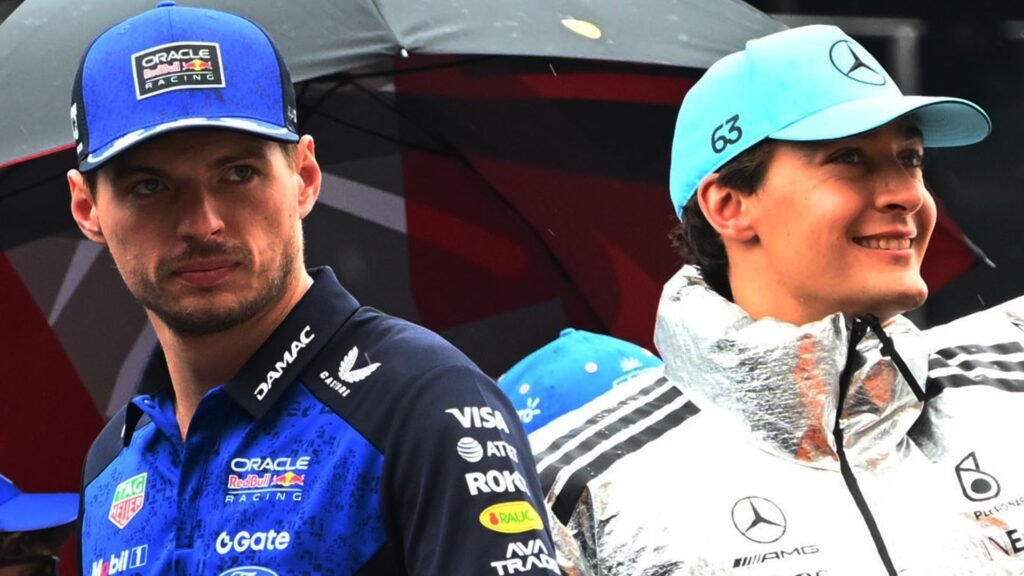

Mercedes-AMG Petronas team principal Toto Wolff has explicitly defended the recent on-track friction between George Russell and Max Verstappen, labeling the “provocations” as a positive element for Formula 1. Speaking to Sky News Sport, Wolff argued that the intense rivalry and occasional clashes between the two drivers serve as a “good factor of the entertainment,” helping to maintain high viewer engagement in a sport that relies heavily on dramatic narrative arcs. By framing the conflict as beneficial rather than detrimental, Wolff signals Mercedes’ willingness to embrace the competitive heat generated by the Red Bull star, even if it involves his own driver.
Mercedes boss defends on-track friction as a vital component of the sport’s growing appeal.
The comments arrive amidst a period of heightened tension in the championship, where Russell has frequently found himself in close proximity to the dominant Verstappen. While specific lap-by-lap statistics for the current season are still accumulating, the historical data shows that Verstappen’s aggressive driving style often forces competitors into defensive maneuvers that can lead to contact or strategic disadvantages. Wolff’s stance suggests that Mercedes views these interactions not as failures of discipline, but as inherent byproducts of a high-stakes battle for podium positions and championship points, where every tenth of a second is contested with maximum intensity.
This perspective aligns with broader trends in modern motorsport, where media narratives often amplify driver rivalries to drive viewership. By publicly supporting the “entertainment value” of the Russell-Verstappen dynamic, Wolff is likely aiming to keep the spotlight on Mercedes’ competitive resurgence while acknowledging the inevitable friction that comes with challenging a reigning champion. The key takeaway for fans and analysts is that team management is now openly leveraging on-track drama as a marketing asset, reinforcing the idea that the emotional stakes of the race are just as important as the technical performance of the cars.
Source: Sky News Sport