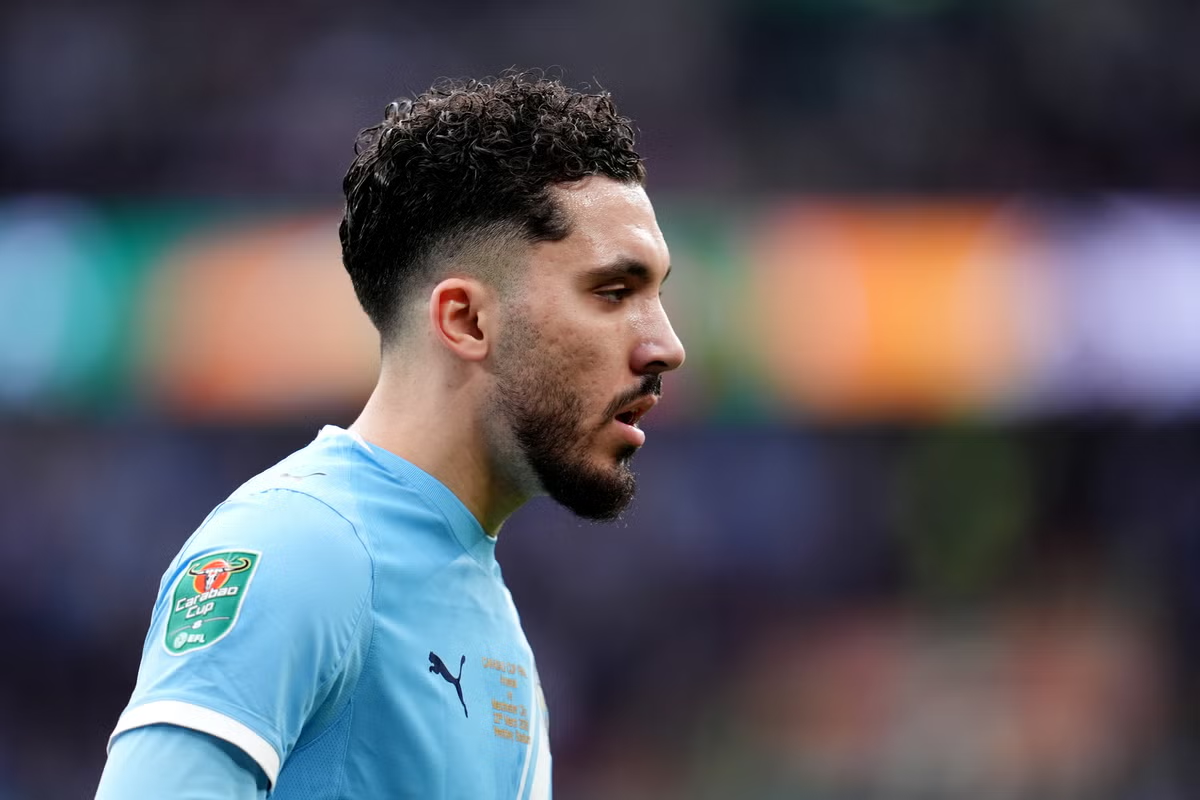

The Detroit Pistons have entered a defensive posture regarding their roster health, prioritizing long-term sustainability over immediate competitive results. Since the season opener against the Miami Heat on October 23, the franchise has been plagued by a wave of injuries that has significantly disrupted their offensive rhythm. The crisis began when All-NBA center Jalen Duren suffered a right hamstring strain during a spin move against Giannis Antetokounmpo at Kaseya Center. Duren, who grimaced in pain and exited the game immediately, has since missed 17 consecutive games, leaving a massive void in the paint that the team has struggled to fill.
Key Match Highlights & Tactical Analysis
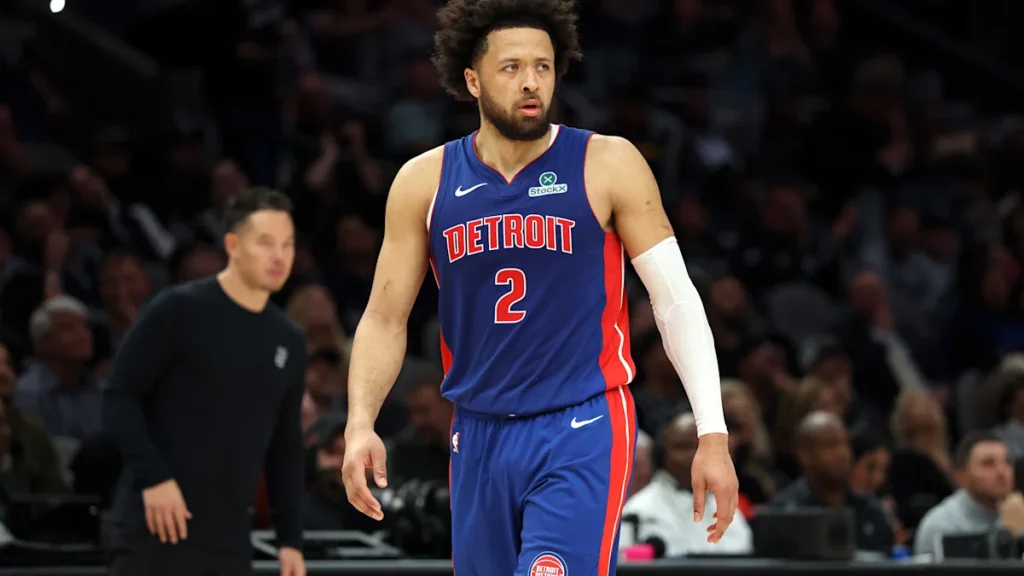
The injury tide has worsened over the past month, culminating in the absence of franchise cornerstone Cade Cunningham. The All-NBA guard is set to miss his fourth game in the last six against the Orlando Magic due to right knee tendinopathy. Unlike Duren’s acute strain, Cunningham’s condition involves a more complex recovery timeline, prompting the coaching staff to withhold specific updates on severity or return dates. This lack of transparency signals a deliberate strategy to avoid rushing a player back into rotation while his knee remains vulnerable to further damage.
As the Pistons navigate this challenging stretch, the organizational focus has shifted entirely to rehabilitation and load management. With two of their most impactful scorers sidelined, the team is forced to rely on depth players and defensive intensity to remain competitive. The cautious approach underscores a critical reality for Detroit: preserving the health of their core stars is essential for a viable playoff push later in the season. By managing expectations and protecting Cunningham’s knee, the Pistons are betting that a healthy roster in the second half will yield far greater returns than forcing a premature return now.
Source: Yahoo Sports