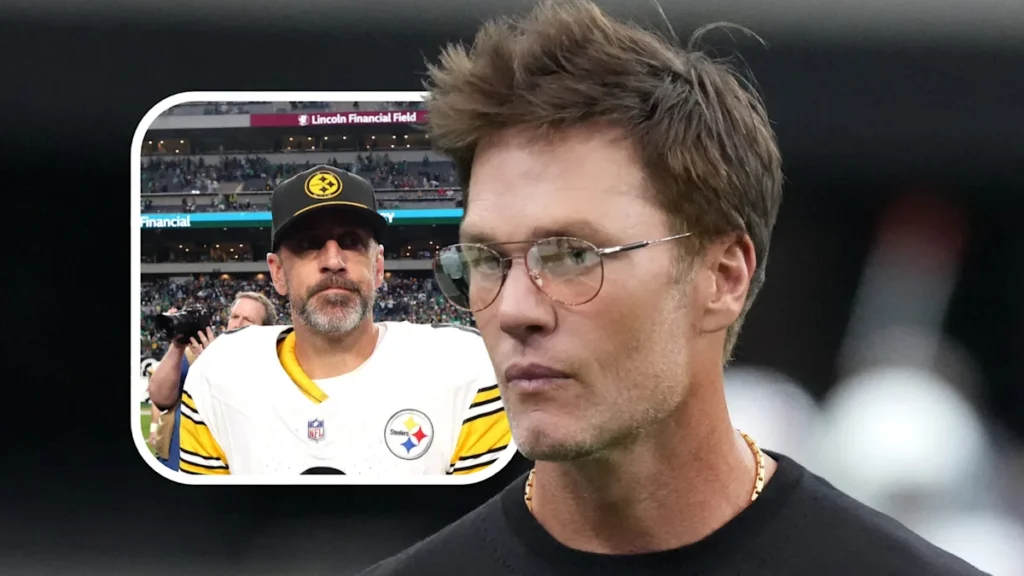

Aaron Rodgers has directly challenged Tom Brady’s recent criticism of his public grievances, asserting that the Pittsburgh Steelers’ actions forced the issue into the open. During a broadcast of the Dallas Cowboys-Philadelphia Eagles game, Brady argued that the NFL locker room is a “sacred place” where private conflicts should remain internal, implying that Rodgers’ appearance on The Pat McAfee Show violated team culture. Rodgers, however, rejected this narrative, insisting that his decision to speak out was a direct response to the organization’s handling of his situation, which culminated in his benching and subsequent release.
Key Match Highlights & Tactical Analysis
The former MVP’s rebuttal came via text message to Prime Video play-by-play announcer Al Michaels during Friday’s Steelers-Broncos matchup. Rodgers emphasized that he had attempted to resolve the issues privately but felt compelled to address the public when the team’s response failed to meet his expectations. By framing the controversy as a reaction to the franchise’s conduct rather than a voluntary breach of trust, Rodgers aims to control the narrative surrounding his abrupt departure from Pittsburgh, countering Brady’s assertion that players should not let “private things become public.”
This exchange highlights a growing divide in how elite players manage post-career or mid-career disputes, contrasting Brady’s traditionalist view of locker room privacy with Rodgers’ modern approach to leveraging media platforms for accountability. As Rodgers prepares for the next chapter of his career, he has made it clear that he will not go quietly into the background, ensuring his voice remains central to the discussion. The incident underscores the shifting dynamics of player-organization relations in the NFL, where social media and talk radio have become powerful tools for athletes to shape their legacy and influence public opinion.
Source: Yahoo Sports