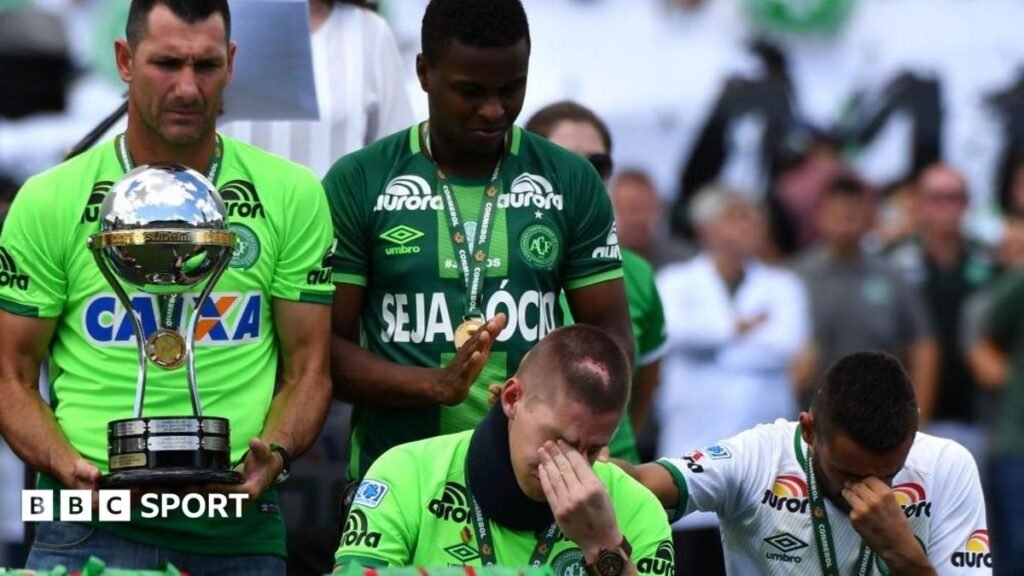

The pre-dawn hours of November 28, 2016, marked the darkest moment in Brazilian football history when a LaMia flight carrying Chapecoense’s first team crashed into a mountainside in Medellín, Colombia. Seventy-one lives were lost, including 19 of the 22 players en route to the South American Cup final, a disaster later attributed to insufficient fuel loads and airline negligence. For Ivan Tozzo, the club’s secretary, the reality set in at 2am as he watched the news from the empty changing room, a stark contrast to the vibrant atmosphere that had defined the squad’s historic run. The immediate aftermath left the club in administrative limbo, with Tozzo serving as the sole surviving director, a period of profound grief that threatened to dissolve the organization entirely.
Key Match Highlights & Tactical Analysis
In the weeks following the funerals, the narrative shifted from mourning to mobilization as the Brazilian football community united to save the club from financial and operational collapse. A massive fundraising campaign, supported by rival clubs, the CBF, and global football figures, generated over R$10 million in donations, ensuring Chapecoense remained a viable entity. This unprecedented solidarity transformed the team’s identity, embedding resilience into their DNA. The club’s leadership, including Tozzo, focused on stabilizing the board and securing the stadium, laying the groundwork for a sporting revival that would see them return to competitive football within months, defying the odds of dissolution.
The rebuild was not merely financial but deeply emotional and tactical, as the squad integrated surviving players with new signings who embraced the club’s renewed purpose. The 2017 season became a testament to their recovery, culminating in a symbolic victory and a return to the Copa Sudamericana, where they honored the memory of the deceased with a dedicated jersey patch. Key takeaways from this era highlight the critical importance of institutional support in crisis management and the power of collective identity in sports. Chapecoense’s journey stands as a definitive case study in how a football club can transcend tragedy, turning profound loss into a legacy of unity and enduring strength on the pitch.
Source: BBC Sport