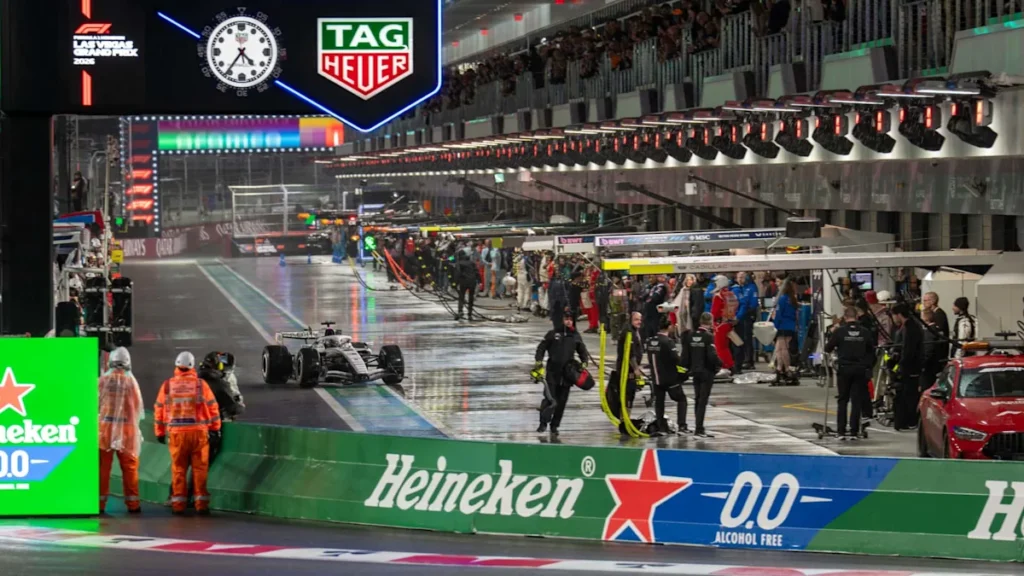

Formula 1’s Las Vegas Grand Prix stands as a $650 million logistical marvel, but the true engine driving the event is not the machinery on the track, but the people off it. As F1’s first owned and operated race, the LVGP required a workforce capable of executing complex mobilization and demobilization schedules with military precision. Steve Hill, CEO of the Las Vegas Convention and Visitors Authority, highlighted the city’s inherent advantage, noting that 300,000 locals work directly in tourism and hospitality, with an estimated 200,000 operating in zones directly impacted by the circuit’s annual setup. This pre-existing infrastructure of skilled labor allowed F1 to bypass the typical learning curve associated with building a new event from scratch.
Key Match Highlights & Tactical Analysis
The scale of human coordination required to host 165,000 unique visitors is staggering, involving a synchronized effort between permanent LVGP staff, temporary hospitality crews, police, and medical teams. Unlike traditional street circuits that rely heavily on local municipal resources, the LVGP operates as a self-contained entity, demanding a dedicated cadre of marshals and operational specialists who manage the unique challenges of a night race on a major tourist artery. The success of the event hinges on this seamless integration of permanent and temporary personnel, ensuring that safety protocols and guest experiences remain uncompromised despite the rapid transformation of the city’s landscape.
This “Part 2” of the analysis reveals that the $650 million investment is as much about human capital as it is about concrete and steel. By leveraging Las Vegas’ deep bench of hospitality professionals, F1 has created a replicable model for high-stakes urban racing. The data suggests that the race’s viability depends less on the novelty of the location and more on the efficiency of its workforce management. As F1 continues to expand its calendar, the LVGP serves as a critical case study in how to mobilize a massive, temporary workforce without disrupting the host city’s core economic engine.
Source: Yahoo Sports