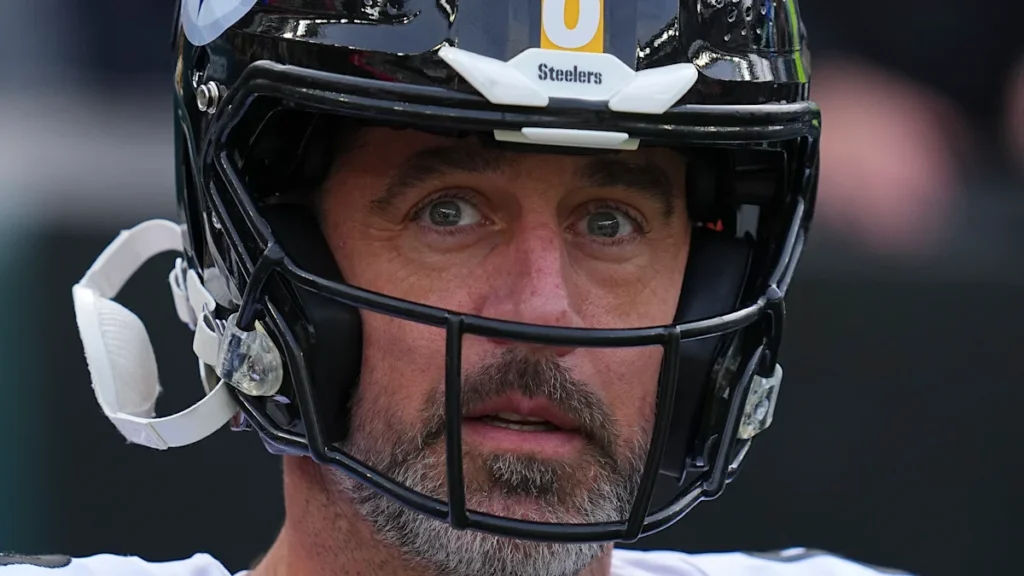

The Pittsburgh Steelers officially released quarterback Aaron Rodgers following his explosive criticism of head coach Mike McCarthy on “The Pat McAfee Show,” a move that shocked few but silenced many. While the 42-year-old, four-time MVP’s public airing of dirty laundry created significant cognitive dissonance within the league, the immediate aftermath has not been a definitive end to his career. Multiple sources indicate that while the stigma is real, NFL front offices have historically operated on desperation logic that overlooks reputational damage when the on-field product remains elite.
Key Match Highlights & Tactical Analysis
The primary argument against a new contract is the intangible risk: few teams want to inherit a franchise quarterback who has just publicly dismantled his coaching staff. However, the counter-argument rests on tangible metrics that have not fully dissipated. Rodgers’ arm strength remains a top-tier asset, and his command at the line of scrimmage continues to be among the best in the game. For teams lacking a reliable starter, the potential upside of his physical tools may outweigh the cultural red flags, keeping him in the conversation despite the recent turmoil.
Ultimately, the question shifts from “can he play?” to “who will take the risk?” While a return to the NFL this season is not guaranteed, it is far from impossible. The market for veteran quarterbacks is thin, and Rodgers’ proven ability to elevate a roster offers a compelling, if volatile, proposition. As the league digests the fallout, the most logical matches will likely involve teams with immediate playoff aspirations who can tolerate short-term friction for long-term on-field gain.
Source: Yahoo Sports