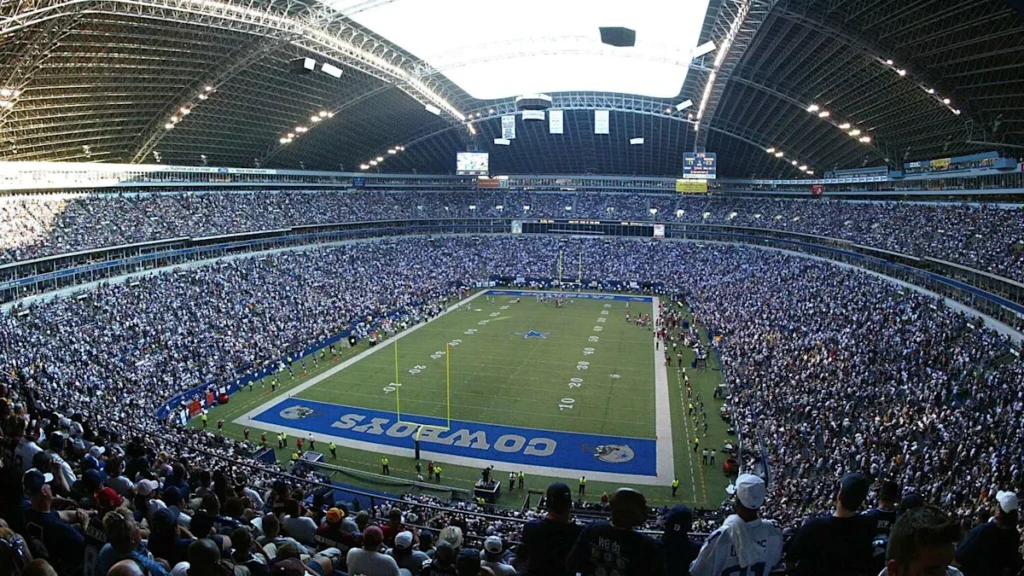

Fifty-five years ago this week, the Dallas Cowboys inaugurated Texas Stadium in Irving, Texas, marking a pivotal shift from the Cotton Bowl to a venue that would become synonymous with franchise dominance. The stadium, famously featuring a hole in the roof that linebacker D.D. Lewis quipped was “so God can watch His favorite team play,” immediately delivered results. In its inaugural season, the Cowboys captured Super Bowl VI, kicking off a historic run where they won all five of the team’s championship rings while playing at the facility.
Did demolishing the ‘Hole in the Roof’ break Dallas’ Thanksgiving curse?
The venue served as the backdrop for the Cowboys’ most celebrated era, including the legendary Thanksgiving Day tradition that defined the team’s cultural identity. During the Texas Stadium era, Dallas enjoyed a near-guarantee of success on the holiday, building a legacy of resilience and high-scoring offense that cemented their status as the “America’s Team.” However, the narrative has shifted dramatically since the franchise relocated to AT&T Stadium in 2010, with the demolition of the old ground coinciding with a significant decline in postseason success and a lengthening drought for a Super Bowl title.
As fans navigate another Thanksgiving with mixed results, speculation mounts that the loss of Texas Stadium may have stripped the team of its intangible good luck charm. While modern analytics suggest that stadium architecture does not dictate on-field performance, the psychological weight of the venue remains a potent talking point among die-hard supporters. The contrast between the five Super Bowl victories at Texas Stadium and the subsequent 30-year championship drought highlights a stark divide in the franchise’s history, leaving many to wonder if the “Hole in the Roof” was more than just a structural quirk.
Source: Yahoo Sports