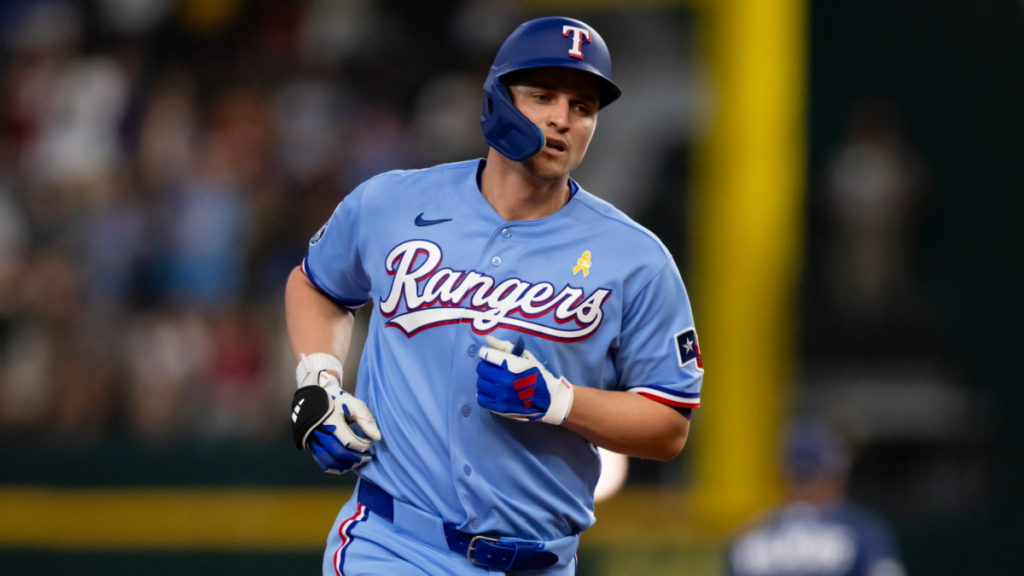

With a potential owner-implemented lockout looming on December 2, the 2026-27 MLB offseason has accelerated into a frenzied period of high-stakes transactions. The Philadelphia Phillies are reportedly in advanced discussions with shortstop Corey Seager, who is willing to waive his no-trade clause (NTC) to join the division rivals. This strategic move signals Seager’s intent to compete for a World Series title immediately, bypassing the uncertainty of the current labor dispute. The willingness to waive the NTC removes a significant bureaucratic hurdle, allowing the Phillies to finalize a blockbuster acquisition before the league-wide work stoppage potentially freezes all player movements.
As the Dec. 2 deadline looms, Seager’s flexibility could reshape the NL East landscape.
This urgency mirrors the 2021-22 lockout period, where teams rushed to secure top talent before the freeze. Recent moves have set a precedent for aggressive spending, most notably the New York Mets’ record-breaking contract with ace Tarik Skubal. Additionally, the Chicago Cubs have fortified their roster by signing Trevor Rogers and Teruaki Sato, while Freddy Peralta is set to join the Baltimore Orioles. These transactions indicate that teams are prioritizing immediate competitive advantage over long-term financial flexibility, a trend likely to continue as the December 2 deadline approaches. The market is reacting to the fear that the lockout will limit future opportunities, driving up the value of available free agents and trade candidates.
Beyond the Seager-Phillies storyline, the broader market remains volatile with other key players seeking new homes. Free agent catcher Tyler Stephenson has agreed to a three-year, $30 million deal to return to the Cincinnati Reds, including an opt-out after the second year. This contract structure reflects the cautious optimism teams are adopting, balancing commitment with flexibility in an uncertain labor environment. As the Yankees, Nationals, and other contenders evaluate their rosters, the next 48 hours will be critical. Teams are expected to make final pushes to lock in star players, ensuring they are positioned competitively regardless of whether the lockout materializes or negotiations reach a breakthrough.
Source: CBS Sports