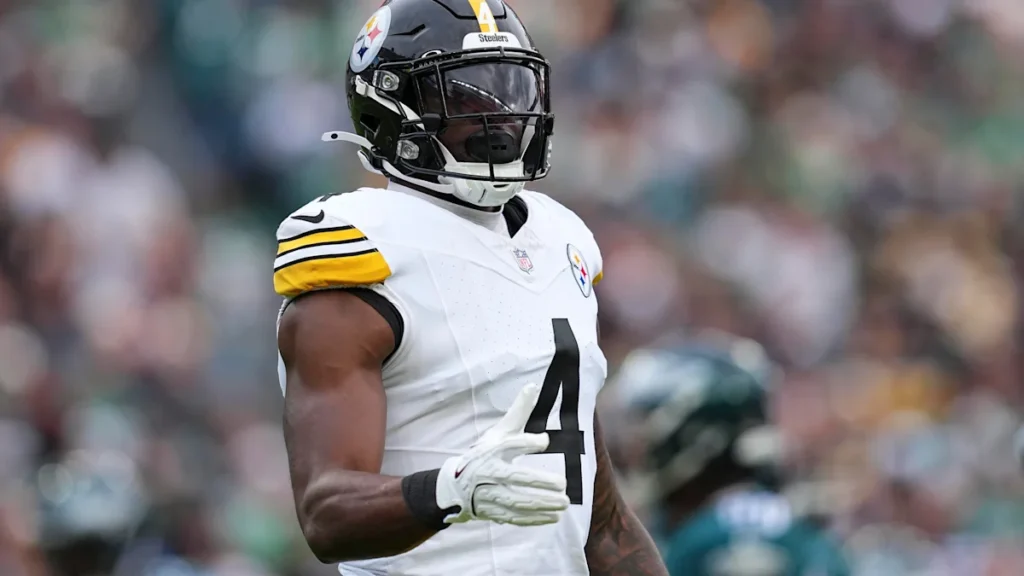

The Pittsburgh Steelers are facing a critical decision that could define their competitive future: releasing wide receiver DK Metcalf. The move, which initially appeared to be a savvy acquisition of a proven NFL star, has devolved into a costly misstep for the franchise. When Pittsburgh traded a second-round pick to Seattle for Metcalf, they simultaneously committed to a four-year, $132 million contract extension, designating him as the team’s primary target. However, less than two months after the trade, the Steelers shipped veteran George Pickens to Dallas for a third-round pick, signaling a rapid and regrettable shift in their offensive hierarchy that has left the roster in disarray.
A $132M mistake: How the Metcalf trade became Pittsburgh’s biggest financial liability
The financial and strategic implications of this decision are staggering, particularly when compared to successful trade precedents like the Stefon Diggs deal. While Buffalo’s acquisition of Diggs yielded multiple All-Pro seasons and elevated Josh Allen’s status, the Steelers’ pursuit of Metcalf has resulted in what analysts are calling a “great swindle.” Seattle GM John Schneider effectively offloaded a declining asset, while Pittsburgh absorbed a massive salary cap hit for a player who has failed to justify the premium price tag. The contrast between the long-term value delivered by Diggs and the immediate regret surrounding Metcalf highlights the dangers of overpaying for perceived star power without ensuring sustained performance.
As the Steelers navigate the aftermath of this transaction, the pressure to cut Metcalf has intensified. The move would allow Pittsburgh to reclaim significant cap space and address other roster deficiencies, but it also serves as a stark lesson in asset management. The failure to integrate Metcalf effectively, coupled with the hasty departure of Pickens, has left the offense lacking in depth and reliability. For a team aiming to remain competitive in the AFC, acknowledging this error and executing the cut is no longer just an option; it is a necessary step to restore organizational credibility and financial flexibility for future roster moves.
Source: Yahoo Sports