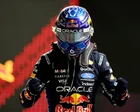
Max Verstappen secured a dominant victory at the Las Vegas Grand Prix, emerging as the sole constant in a frenetic contest where the lead changed hands repeatedly among the top ten. The Dutchman engaged in a critical strategic debate with his Red Bull team regarding electrical energy deployment, allowing him to maintain a marginal edge over Mercedes’ George Russell and Kimi Antonelli for the majority of the distance. Despite the high-pressure environment, Verstappen’s consistency proved decisive, as he navigated the shifting dynamics of the front group without succumbing to the errors that plagued his rivals.
Key Match Highlights & Tactical Analysis
The race’s climax was defined by Mercedes’ sudden collapse on the final laps, where Russell crashed while attempting to overtake teammate Antonelli. This incident allowed McLaren’s Lando Norris and Oscar Piastri to surge past Antonelli, who dropped to fifth entering the final lap. However, Verstappen reclaimed the position from Alpine’s Pierre Gasly at the end of the long straight, securing the win in a display of late-race composure. The drama extended to the Ferrari garage, where Charles Leclerc received a 10-second penalty for tipping Lewis Hamilton into a spin, further complicating the Scuderia’s night.
This extraordinary event highlighted the intense parity at the top of the F1 grid, with ten cars bunched together for the vast majority of the race. Verstappen’s ability to manage energy and execute clean driving under pressure set him apart from the erratic finale involving Mercedes and Ferrari. The result underscores the unpredictability of the current season, where strategic nuance and error-free driving are the primary differentiators in tightly contested championships.
Source: Yahoo Sports