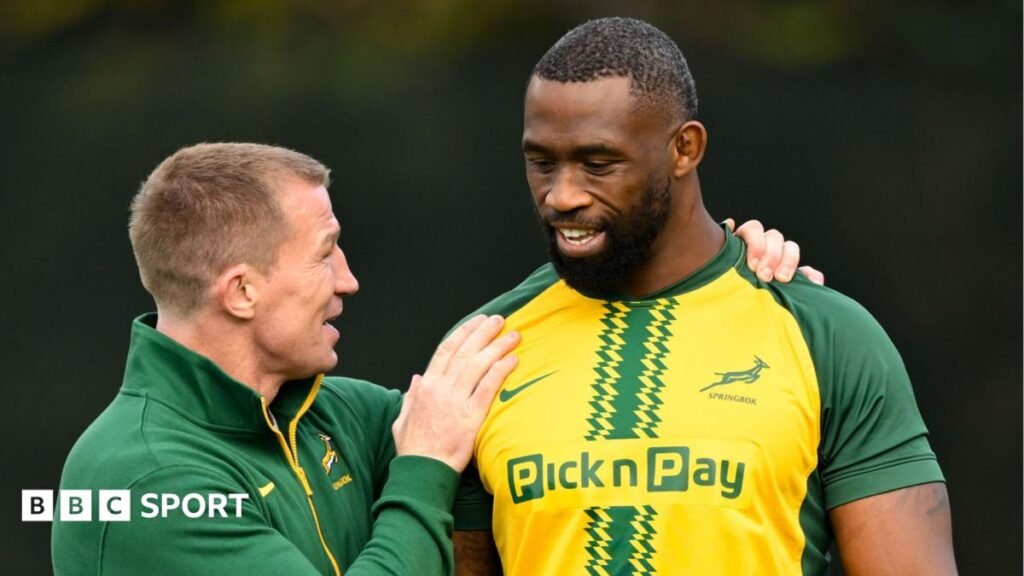

The Springboks arrive in Dublin with their morale intact, despite the absence of head coach Rassie Erasmus, who is serving a six-match ban for questioning the integrity of match officials during last week’s defeat by France. While the coaching vacuum has sparked debate, captain Siya Kolisi firmly rejected any notion that the team is fractured or overly dramatic in its response. Speaking at a pre-match press conference, Kolisi emphasized the profound cultural significance of rugby to South Africans, asserting that the squad’s unity remains unshakable regardless of the administrative turmoil surrounding their coach.
Key Match Highlights & Tactical Analysis
This fixture has quickly become the centerpiece of a packed November international schedule, with anticipation heightened by the contrasting disciplinary fortunes of both nations in recent days. The Boks’ defiance stands in sharp contrast to the usual post-defeat introspection, as Kolisi bristled at suggestions that the team’s passionate defense of Erasmus was an overreaction. His comments signal a clear message to Ireland: the Springboks are focused on performance and legacy, not the off-field controversies that have dominated the news cycle since the loss in Paris.
For Ireland, the challenge is twofold: they must navigate a physically demanding contest against a resilient South African pack while also managing the psychological pressure of hosting a team that has publicly declared its resilience. The absence of Erasmus, a key strategist and vocal advocate for his players, forces the Boks to rely heavily on their on-field leadership and collective discipline. As the two teams prepare to collide, the narrative has shifted from coaching sanctions to a test of character, with Kolisi’s declaration that “no-one is going to break us” setting the tone for a potentially historic encounter.
Source: BBC Sport