
The controversial Muhammad Ali American Boxing Revival Act cleared the U.S. Senate on Thursday via unanimous consent, eliminating the need for a roll-call vote as no senators objected to advancing the measure. This legislative victory marks a critical step for the bipartisan bill, which now returns to the House of Representatives for final approval of Senate amendments before being sent to President Donald Trump for signature. The move signals strong institutional support for restructuring the sport’s governance framework, despite ongoing debates about the concentration of power within the industry.
Key Match Highlights & Tactical Analysis
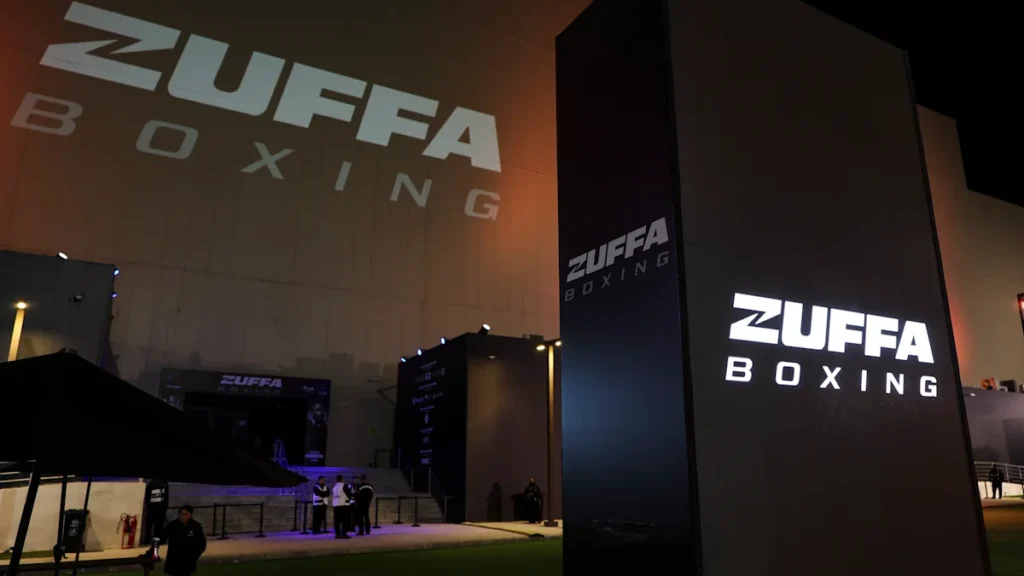
Originally introduced in July 2025 by U.S. Reps. Brian Jack (R-Ga.) and Sharice Davids (D-Kans.), the legislation is heavily backed by TKO, the parent company of the UFC and WWE. The core provision of the Ali Revival Act authorizes the creation of Unified Boxing Organizations (UBOs), a structural change that dissolves the long-standing separation between promoters and sanctioning bodies. By allowing promotional entities to operate their own ranking systems, award titles, and organize events under a single banner, the bill effectively paves the way for Zuffa Boxing—a joint venture between TKO and Saudi Arabia’s SELA—to operate with minimal external oversight.
Critics argue that this consolidation strips away essential regulatory guardrails, potentially allowing a single corporate entity to dominate the sport’s economic and competitive landscape. However, proponents view the UBO model as a modernization effort that could streamline operations and increase market efficiency. As the bill heads back to the House, the fight now shifts to the legislative floor, where members must decide whether to endorse a framework that fundamentally alters the balance of power in professional boxing.
Source: Yahoo Sports