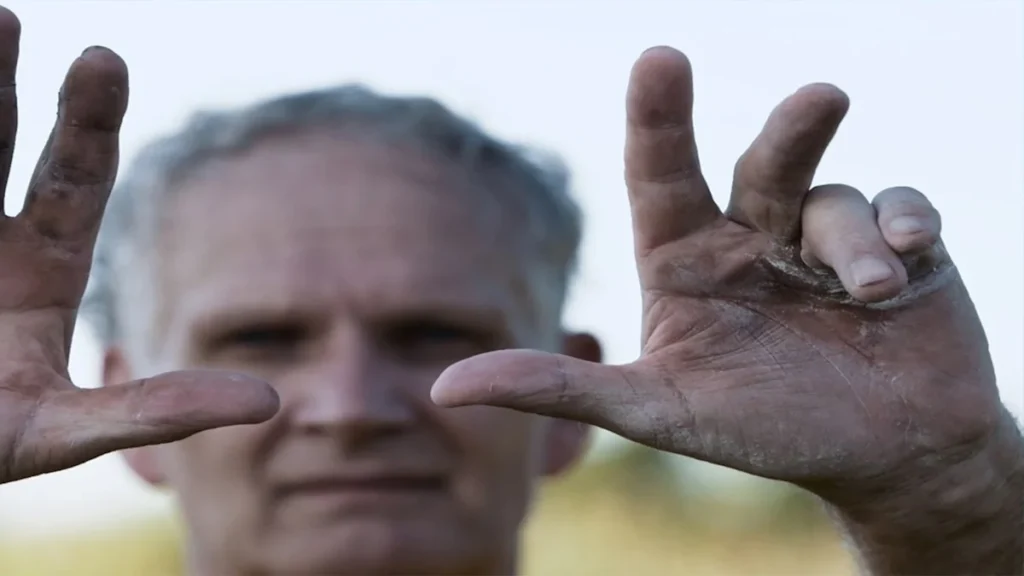

In Brooklyn, Wisconsin, the perception of tug of war as a mere schoolyard pastime shatters under the weight of professional competition. Eight athletes grip a single rope, not just pulling with raw muscle, but executing a complex biomechanical symphony. This is not a contest of who can pull harder, but who can maintain balance, coordinate leverage, and sustain mental fortitude under crushing pressure. The event highlights a sport where discipline and strategy outweigh sheer power, transforming a simple game into a high-stakes athletic endeavor.
Beyond brute force: How eight athletes synchronize to dominate the competitive pulling circuit
The mechanics of professional tug of war demand absolute synchronization among the eight pullers. Each athlete occupies a specific role within the chain, and the team’s success hinges on their collective ability to move as a single unit. A single loss of grip or a momentary lapse in balance by one competitor can cascade, destabilizing the entire formation and handing victory to the opposition. This interdependence requires rigorous training in coordination, ensuring that every ounce of force is applied at the precise moment to overcome the opposing team’s resistance.
For competitors, the sport represents a profound test of mental resilience as much as physical capability. The pressure to keep pulling when exhaustion sets in is overwhelming, yet the determination to maintain position defines the elite level of the game. As athletes gather in Wisconsin, they demonstrate that tug of war is a serious athletic discipline governed by strict rules and technical precision. The event serves as a stark reminder that in this domain, teamwork is not just a virtue; it is the only path to victory.
Source: Yahoo Sports