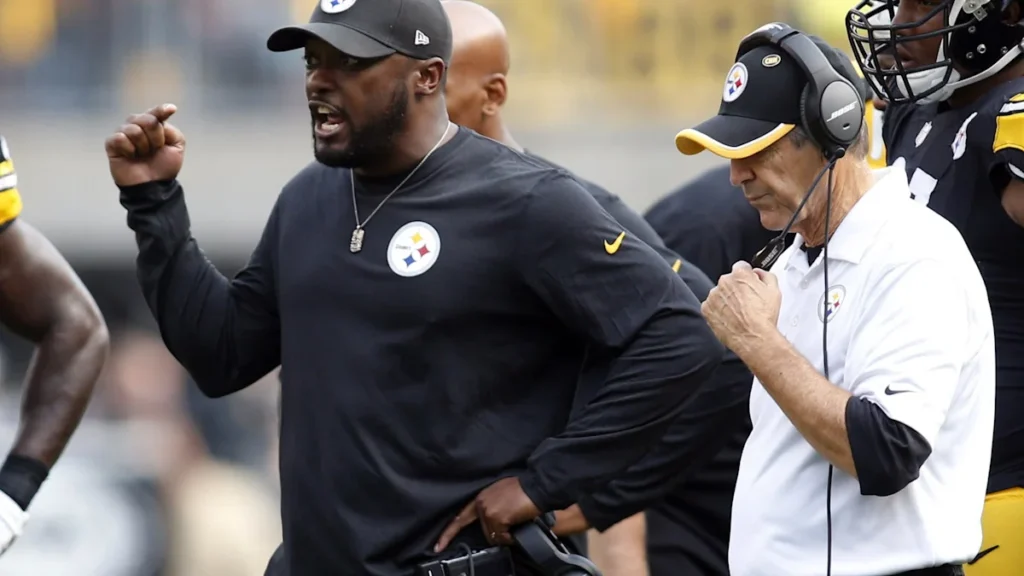

Mike Tomlin has officially earned his “PhD in defensive football,” a distinction he claims after winning Super Bowls as both a coordinator under Tony Dungy’s Tampa 2 system and a head coach leading Dick LeBeau’s “Blitzburgh” defense. During a recent episode of the “Not Just Football with Cam Heyward” podcast, Tomlin provided a rare, in-depth comparison of the two dominant defensive philosophies that defined the late 1990s and 2000s. Rather than declaring one scheme superior, the former Pittsburgh Steelers head coach emphasized that their success relied on fundamentally different approaches to roster construction and on-field execution.
Key Match Highlights & Tactical Analysis
Tomlin highlighted the stark contrast in how each defense operated, describing the Tampa 2 as a “splash play defense” designed to take the ball away and sack the quarterback through speed. “It was a speed-oriented thing,” Tomlin recalled. In direct opposition, he characterized Blitzburgh as a scheme focused on “smashing people,” where the defense physically and brutally beat opponents down. This distinction is not merely stylistic; it dictates the specific athletic profiles required to succeed in each system, forcing general managers to prioritize different physical traits when drafting and signing players.
The key takeaway from Tomlin’s breakdown is that there is no universal “best” defense, only the best fit for the available talent. By collecting speed-oriented athletes for Tampa Bay and power-oriented linebackers for Pittsburgh, both organizations maximized their respective schemes’ strengths. For modern NFL front offices, Tomlin’s insights serve as a critical reminder that defensive identity must align with the specific physical attributes of the roster, proving that success comes from executing a tailored philosophy rather than forcing a one-size-fits-all approach.
Source: Yahoo Sports