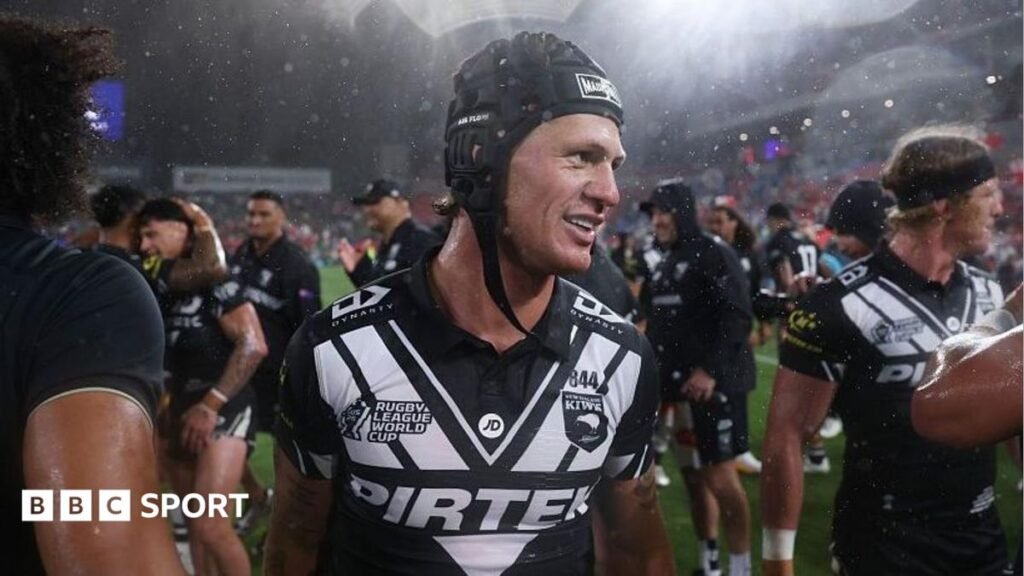

New Zealand’s Rugby League World Cup semi-final victory was secured by a high-stakes tactical decision that defied conventional medical prudence. Head coach Stacey Jones insisted that Kalyn Ponga, who suffered a broken left forearm in the tournament opener against Australia, was “so adamant” he would play. The Kiwis’ gamble paid off as Ponga’s explosive pace and agility, described by Jones as that of a “freak of nature,” dismantled the opposition defense despite the physical limitations.
Key Match Highlights & Tactical Analysis
The return to action was a dramatic reversal of fortune for the 28-year-old, whose tournament trajectory had shifted from dream to nightmare just 24 days prior. In the World Cup opener in Sydney on 15 October, Ponga had already scored two second-half tries before being forced off after playing 20 minutes with the injury sustained in a tackle with Cameron Munster. Following the Kiwis’ 24-22 loss, Ponga underwent surgery, casting doubt on his availability for the remainder of the competition.
Ponga’s resilience and elite skill set proved pivotal in the semi-final, validating the coaching staff’s trust in his character and determination. By fielding a player who had recently undergone orthopedic surgery, New Zealand maximized their attacking potential, leveraging Ponga’s unique ability to create space and score. This strategic risk not only secured a place in the final but also highlighted the critical importance of player agency and mental fortitude in high-stakes international rugby league.
Source: BBC Sport