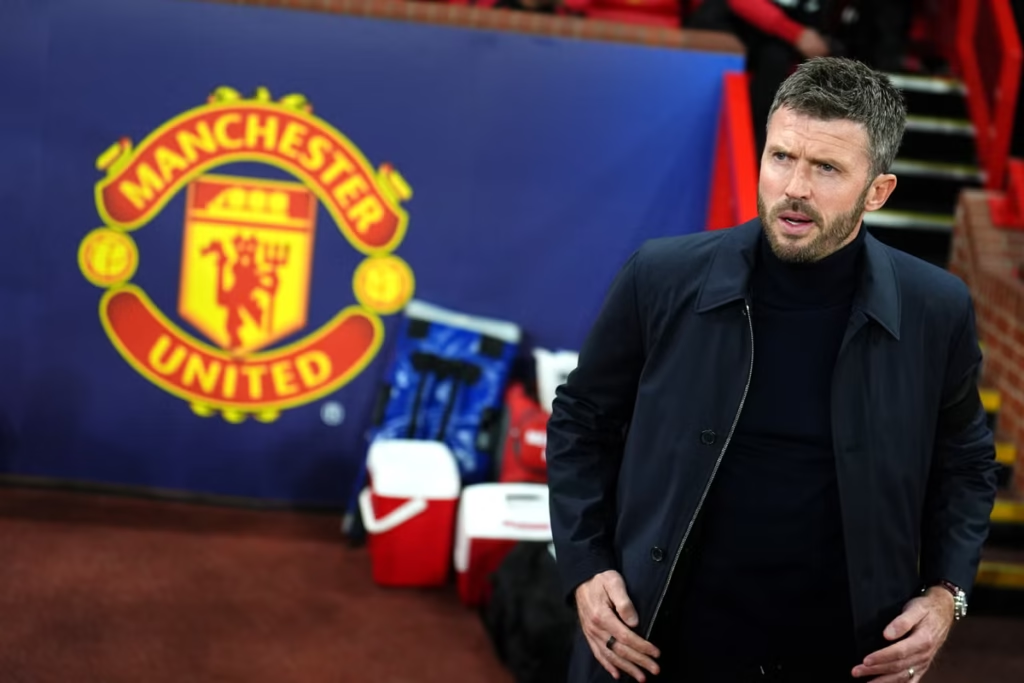

Michael Carrick stands on the precipice of becoming Manchester United’s seventh permanent manager to be dismissed since Sir Alex Ferguson’s retirement, a statistic that underscores the club’s persistent struggle to replicate the stability of the Scottish legend’s era. While Old Trafford prepares to celebrate the 40th anniversary of Ferguson’s appointment with a special dinner this weekend, the focus remains sharply on Carrick’s precarious position as caretaker. His tenure, which could conclude with a match against Aston Villa on Sunday, marks him as the fifth of Ferguson’s former players to serve in an interim capacity, a revolving door that has failed to yield a lasting successor.
Key Match Highlights & Tactical Analysis
The contrast between the two figures is stark and increasingly painful for United fans. Ferguson, who ended his 26-and-a-half-year reign of his own volition, remains the “gold standard” and an anomaly in modern football management, having overseen two-thirds of the last four decades of the club’s history. In contrast, Carrick risks being consigned to the footnotes of United’s history, serving as a temporary fix rather than a foundational leader. A banner at Old Trafford currently honors Ferguson, a reminder that while the club celebrates its past greatness, it is not celebrating the man currently tasked with steering the ship.
This situation poses a seemingly impossible question for Manchester United: how does a club with such a rich heritage break the cycle of managerial instability? Carrick’s potential departure would further cement the narrative that no one can fill Ferguson’s shoes, leaving the board to grapple with the next appointment without the benefit of the Scottish manager’s long-term vision. As the anniversary celebrations continue, the shadow of Ferguson’s legacy looms larger than ever, highlighting the urgent need for a strategic shift in how United approaches leadership development and recruitment.
Source: The Independent Sport