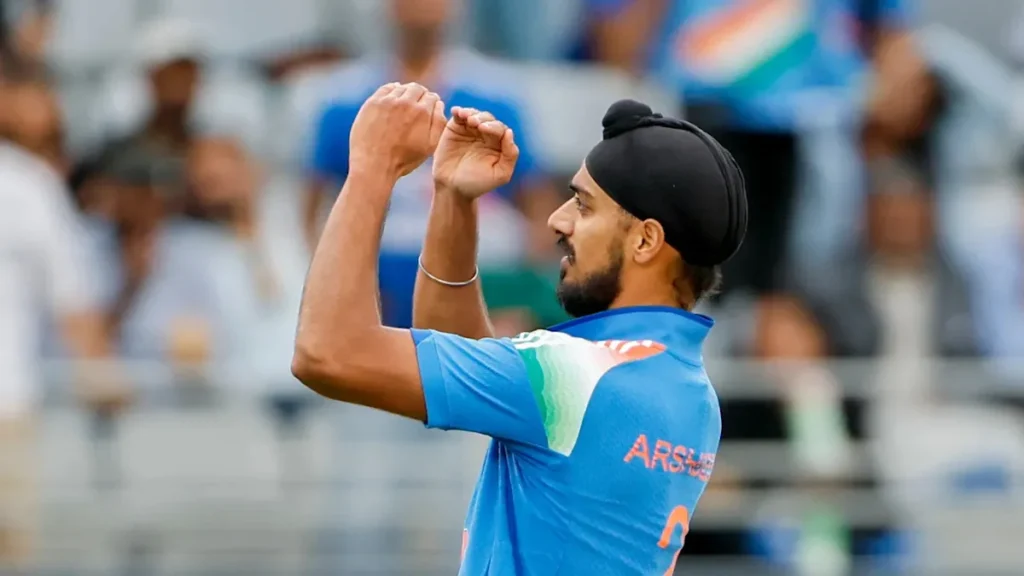

India’s selection panel made a decisive move at Eden Park on Wednesday, naming Arshdeep Singh as the primary fast-bowling spearhead while excluding Mohammed Siraj from the opening XI against New Zealand. Although Siraj was rested after completing an India A four-day match in Christchurch, the decision underscores a shifting dynamic in India’s white-ball attack. With Anshul Kamboj, Auqib Nabi, and Gurnoor Brar filling the remaining pace spots, the management is clearly prioritizing the form and consistency of the left-armer as they build toward the 2027 World Cup.
Key Match Highlights & Tactical Analysis
The statistical case for Arshdeep Singh is overwhelming when viewed through the lens of post-2023 World Cup performance. Since that tournament, Arshdeep has claimed 34 ODI wickets at an impressive average of 21.64, whereas Siraj has managed only nine wickets at a struggling 47.44. The disparity becomes even more pronounced with the new ball, where Arshdeep’s average of 17.88 highlights his ability to extract early breakthroughs, compared to Siraj’s 46.50. These figures suggest that Arshdeep has successfully adapted his pace and swing to the ODI format, while Siraj has yet to find the same rhythm in limited-overs cricket.
For the 2027 World Cup cycle, consistency in high-pressure conditions is paramount, and the data points strongly toward Arshdeep Singh as the more reliable asset. While Siraj remains a vital component of the Test lineup, his ODI metrics indicate a need for recalibration or a reduced role in the white-ball setup. By backing Arshdeep now, the BCCI is signaling a clear hierarchy in the pace department, ensuring that the most effective wicket-taker leads the attack into the crucial run-up to the next global championship.
Source: Yahoo Sports