
The tragic death of CD Tenerife forward Jesús de Miguel has cast a dark shadow over Spanish football, leaving a profound void in the club and the broader sporting community. The incident occurred during a match at the Heliodoro Rodríguez López stadium, where a collision between the striker and Andorra goalkeeper Jesús Owono proved fatal. While the immediate focus remains on the immense grief of de Miguel’s family, teammates, and the Tenerife support, the narrative now shifts to the legal and disciplinary ramifications facing the 25-year-old Guinean international.
Key Match Highlights & Tactical Analysis
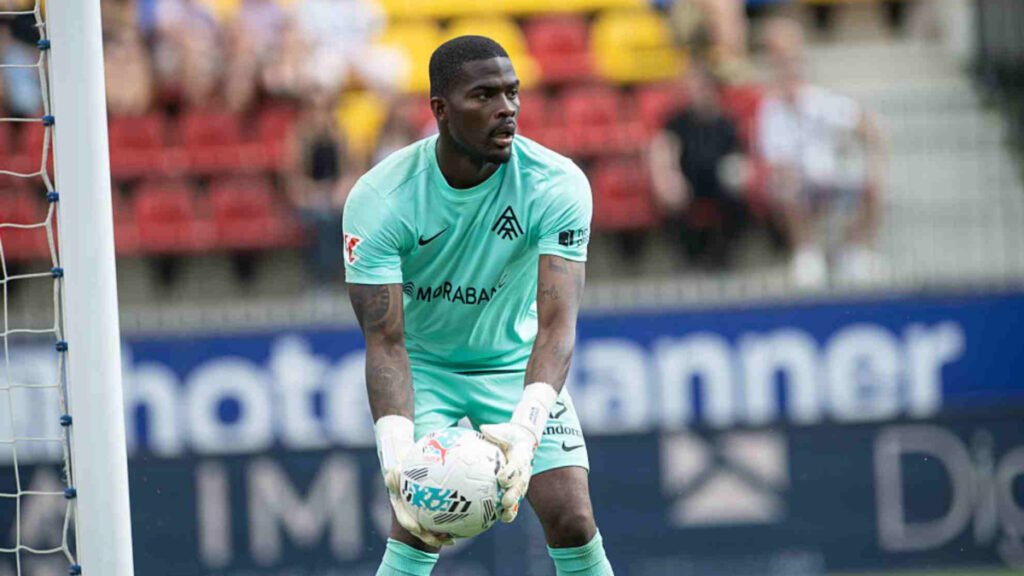
Owono, who left his box to challenge for the ball, is reportedly in a state of shock following the event. According to reports from *Sport*, the goalkeeper intended to privately contact de Miguel’s family to offer his personal apologies, a gesture complicated by the severity of the outcome. Beyond the emotional toll, Owono now faces a dual threat: a potential significant sporting sanction from the RFEF and possible criminal liability. Spanish law may view the incident as involuntary homicide, a charge that could lead to prison time if negligence is proven, marking a grim precedent in domestic football.
This tragedy underscores the extreme risks players face in high-intensity physical sports, yet it also highlights the legal complexities surrounding accidental injuries on the pitch. For CD Tenerife, the loss of de Miguel is a devastating blow to their squad and spirit, while for Owono, the incident represents a life-altering crisis. As investigations proceed, the football world watches closely to see how the authorities balance sporting discipline with criminal justice in what has become one of the most somber moments in recent LaLiga history.
Source: MARCA