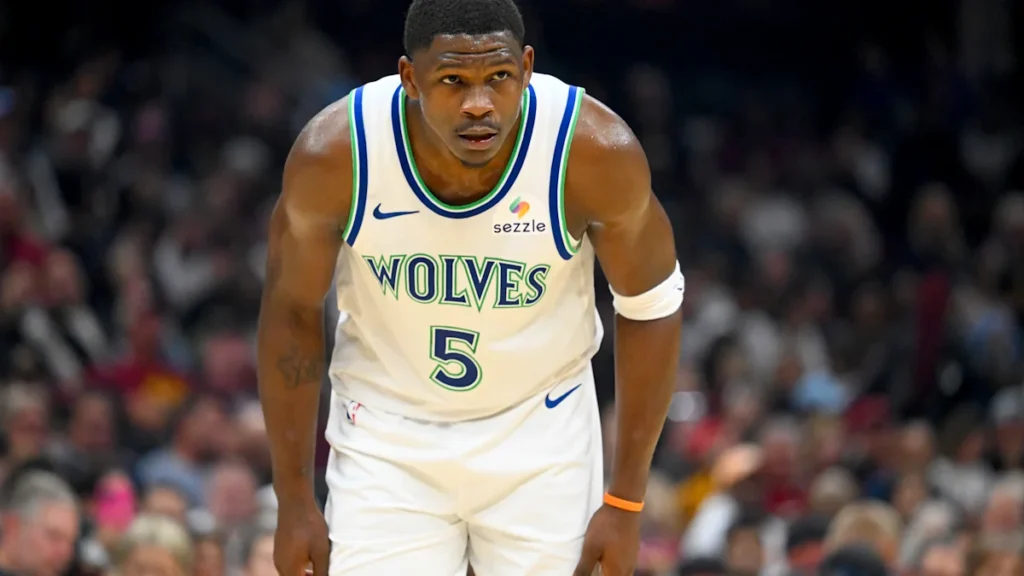

The Minnesota Timberwolves executed a radical offseason strategy by trading Julius Randle and Naz Reid for LaMelo Ball, explicitly designed to alleviate the creative burden on Anthony Edwards. The early results of the 2026-27 season validate this gamble. Edwards, now freed from primary playmaking duties, has emerged as a pure scoring threat, ranking second in the league in points per game behind only Luka Dončić. His efficiency metrics have soared, with the four-time All-Star shooting 54% on two-pointers and 40% from three-point range, proving that the new structure allows him to focus exclusively on finishing.
Key Match Highlights & Tactical Analysis
The statistical synergy between Edwards and Ball is arguably the most compelling story in the NBA right now. When Ball is on the floor, Edwards posts an elite 75% true shooting percentage, a staggering 20 percentage point jump over his career average. The LaMelo-to-Ant combination has generated more assisted baskets than any other duo in the league through the first four games. This shift has propelled Minnesota to the No. 4 offense in the NBA, leading the league in both pull-up field goal attempts and pull-up shooting efficiency while averaging a scorching 126.8 points per 100 non-garbage possessions.
As the Timberwolves prepare to face the Golden State Warriors, the critical question shifts from whether the system works to whether it is sustainable. While the current offensive output is historic, reliance on a single star’s availability remains a vulnerability for any contender. The success of this summer’s pivot ultimately hinges on whether the supporting cast can maintain this high level of execution and defensive intensity when Edwards sits, ensuring the team can keep pace with the Western Conference’s elite without their primary engine.
Source: Yahoo Sports