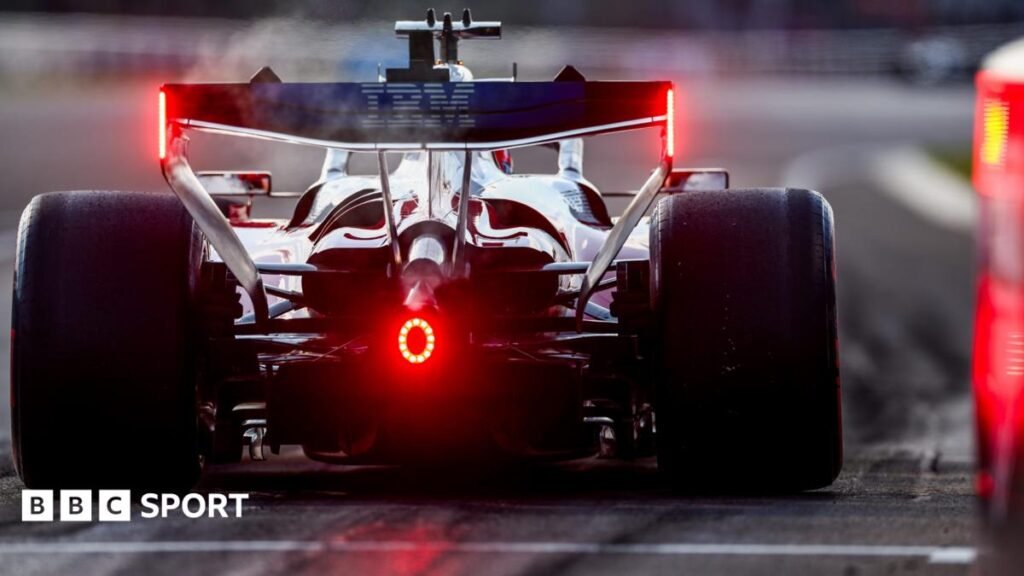

Formula 1’s governing body, the FIA, has officially proposed a radical overhaul of the sport’s engine regulations, moving away from complex hybrid systems toward simplified V8 turbo hybrids. According to a confidential document shared with the six current engine manufacturers, including Ferrari, the new framework targets a significant reduction in development costs and weight while enhancing the auditory experience for fans. This strategic pivot marks a decisive break from earlier internal discussions that favored a return to naturally aspirated engines, prioritizing a balance between technological advancement and commercial sustainability for the 2030 or 2031 season.
Key Match Highlights & Tactical Analysis
The proposal emphasizes “visceral sound” as a key performance metric, addressing long-standing fan criticism regarding the muted, electric-heavy nature of current power units. By simplifying the hybrid architecture, the FIA aims to make the engines lighter and more accessible, potentially lowering the barrier to entry for new teams or manufacturers. This approach contrasts sharply with the current 1.6-liter V6 turbo-hybrid units, which are widely regarded as some of the most complex and expensive pieces of technology in motorsport. The shift signals a recognition that while efficiency remains important, the emotional connection to the sport’s mechanical heritage must be preserved.
Industry sources indicate that this document serves as the opening framework for negotiations, following initial one-to-one consultations with individual engine suppliers. With Ferrari and other major players now engaged in these high-level discussions, the final regulations will likely reflect a compromise between the FIA’s cost-control objectives and the manufacturers’ desire for competitive differentiation. As the sport looks toward the early 2030s, the adoption of these cheaper, louder V8s could reshape the competitive landscape, potentially altering the balance of power among the top teams and redefining the technical benchmark for global motorsport.
Source: BBC Sport